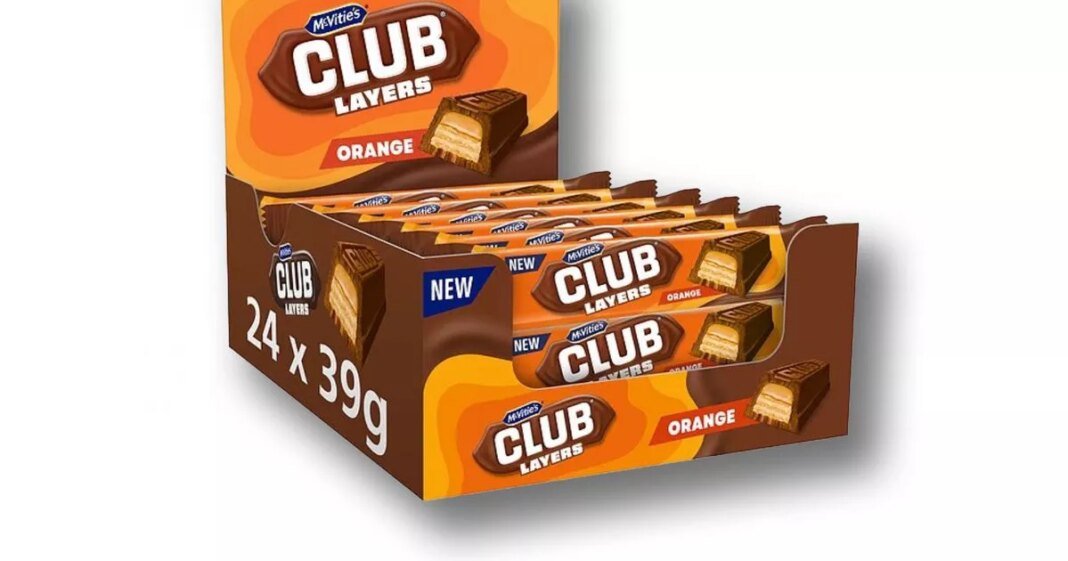

A selection of well-known British chocolate snacks has forfeited their official “chocolate” designation due to reduced cocoa content, while some treats have become smaller and more expensive. Pladis, the parent company of McVitie’s, had to adjust the recipes of Club and Penguin bars earlier this year to compensate for escalating cocoa prices. As a result, these classic snacks now contain more palm and shea oils than actual cocoa, leading to a shift in their marketing and slogans.
This development coincides with various manufacturers implementing similar strategies, such as cutting cocoa content and discreetly reducing the sizes of confectionery products’ packaging, in an effort to maintain competitive retail prices.
The surge in chocolate prices in recent years can be attributed to poor harvests in vital West African cocoa-producing regions like Ghana and the Ivory Coast. Adverse weather conditions linked to the worsening climate crisis, including extreme temperatures and irregular rainfall patterns, have impacted cocoa yields. Additionally, the spread of crop diseases has led to plant decay, escalating costs throughout the supply chain.
Although cocoa prices hit a peak of nearly £8.20 per kilogram in January, following a doubling from the previous year, recent forecasts of improved harvests and decreased demand have slightly alleviated the situation. Nonetheless, many popular snacks have been affected, leading manufacturers to comply with UK regulations by adjusting how products are labeled once they fall below the minimum 20% cocoa butter requirement.
For instance, while KitKat Chunky White still contains cocoa-related elements, such as powder, butter, and mass, its low cocoa butter content disqualifies it from being classified as a “white chocolate” product. Nestlé has updated its description of KitKat White to “Crispy wafer finger covered with a white coating (68%)” following a recipe alteration earlier this year.
In a related move, McVitie’s White Digestives no longer qualify as white chocolate post a recipe adjustment this year. The product now lacks any cocoa solids or cocoa butter, comprising a blend of vegetable fats like palm, shea, and sal oils. The packaging of this biscuit was revised in March, replacing “white chocolate” with a simpler “white” label.
Unlike Club and Penguin bars, McVitie’s Mini BN and BN Mini Rolls have not undergone recent recipe modifications. Both snacks are marketed with “chocolate flavor” fillings, with Mini BNs described as “delightfully light, golden-baked biscuits filled with a delicious chocolate flavor” and BN Mini Rolls as “delectable, light vanilla sponge cake rolled around a tasty chocolate-flavored filling and coated with milk chocolate.”
Meanwhile, other popular chocolate products like Quality Street, Terry’s Chocolate Orange, Toblerone, and Cadbury Roses have seen reductions in size while experiencing price hikes in certain supermarkets. Quality Street has shrunk by 8.3% from 600g to 550g, with prices rising by 16.7% year-on-year at Tesco, Sainsbury’s, and Morrisons.
Cadbury Roses’ 750g tin has been replaced with a 700g version at Morrisons, marking a 6.7% reduction, along with a price increase of 17.9% from £14 to £16.50. Terry’s Chocolate Orange has decreased in size by 7.6%, leading to a 33% price increase in Tesco, followed by 28.3% in Sainsbury’s and 25% in Morrisons.
Notably, large Toblerone bars have been reduced by 5.6% from 360g to 340g, with prices climbing by 16.7% to £7 in Morrisons and by 12.5% to £6.75 in Sainsbury’s; however, Tesco has maintained its price at £6.