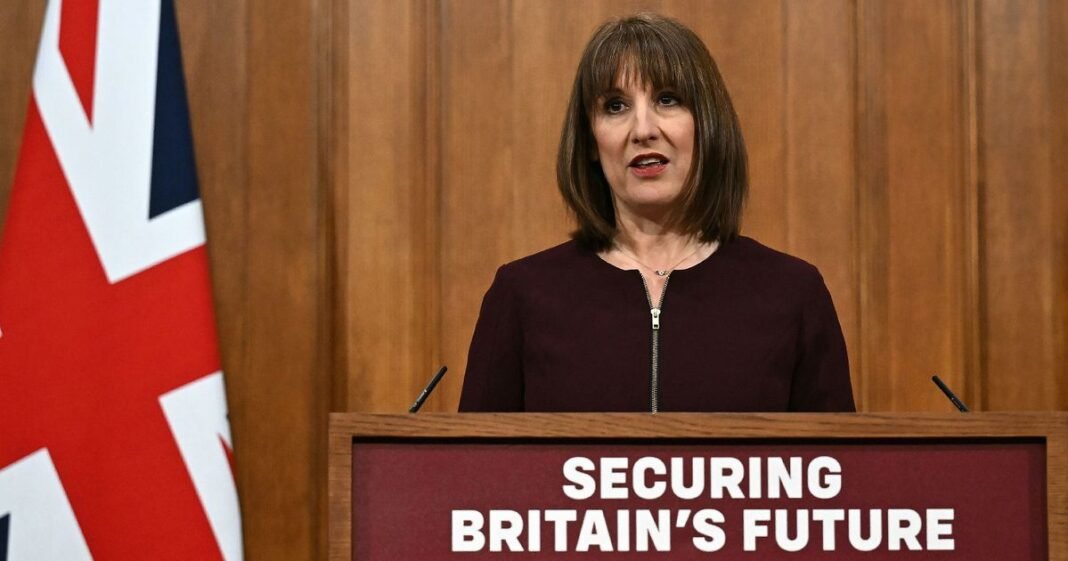

Rachel Reeves is set to make commitments to safeguard the NHS and enhance the affordability of living for struggling individuals in a significant speech before the Budget. The Chancellor is anticipated to pledge to make necessary decisions to address a financial gap of £20 billion to £30 billion in public funds. Reeves, delivering her second Budget on November 26, will emphasize that these choices will have a lasting impact on the economy.
Recently, Keir Starmer opted not to reiterate Labour’s promise to shield working people from tax, VAT, and national insurance increases, sparking speculation about potential income tax hikes by Reeves at the Budget, potentially conflicting with the party’s electoral promises.
Addressing the nation from Downing Street, Reeves will emphasize the importance of the decisions to be made, highlighting the economic circumstances and principles guiding her choices. She will stress the significance of understanding the challenges faced and the rationale behind her decisions for the country’s benefit.
In her upcoming Budget, Reeves will focus on establishing a robust economic foundation for the present and future years, aligning with the government’s values of fairness and opportunity. The priorities will revolve around safeguarding the NHS, reducing national debt, and enhancing living standards for British citizens.
One of the proposed measures to alleviate living costs includes considering a reduction in the VAT rate on energy bills. By potentially cutting the 5% VAT on gas and electricity, households could save an estimated average of £86 annually.
Moreover, a leading think tank has advised Reeves to take decisive actions in the forthcoming Budget to restore public finances. Suggestions include increasing income tax by 2p, while also reducing employee national insurance by 2p to mitigate the impact on most workers.
Research director at the Resolution Foundation, James Smith, highlighted the potential benefits of reallocating National Insurance contributions to Income Tax, generating £6 billion in revenue while safeguarding workers’ earnings. This approach aims to steer the Budget towards addressing price concerns, wage stability, poverty reduction, and fostering economic growth.