
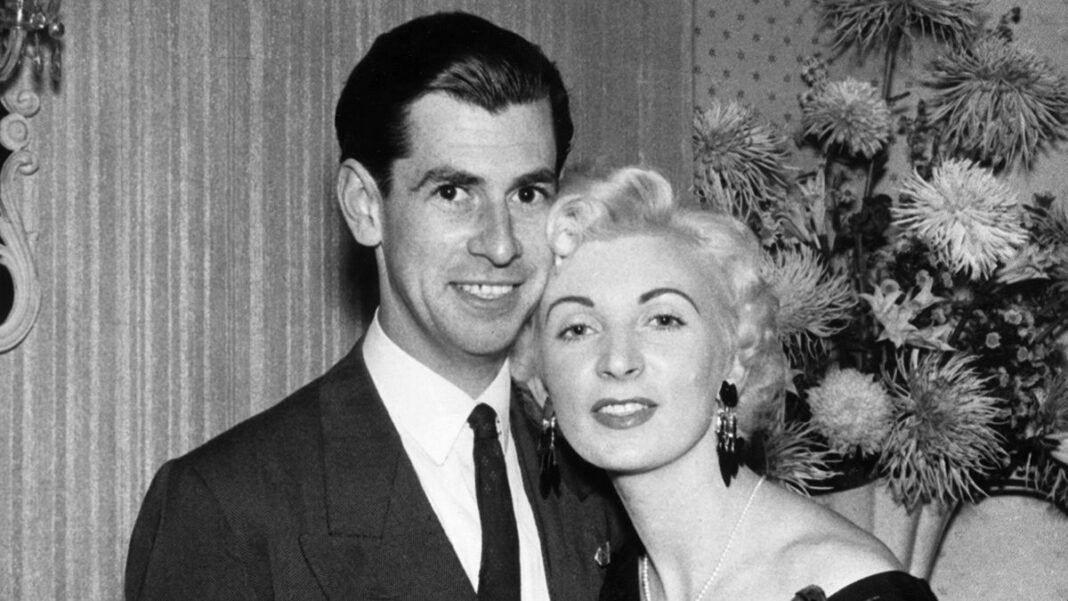

The descendants of the final woman to be executed in Britain are now pushing for a posthumous exoneration, asserting that she endured physical and emotional abuse from her partner before fatally shooting him.
Ruth Ellis, a nightclub hostess, was put to death on July 13, 1955, following her conviction for the murder of her lover, David Blakely. Laura Enston, Ellis’ granddaughter, expressed the profound impact of Ruth’s execution on their family. Enston highlighted the enduring trauma experienced by her mother and uncle, leading to ongoing repercussions for the grandchildren. The family’s submission to the justice secretary emphasizes that the severity of the punishment did not align with the crime committed. The execution took place at Holloway Prison.
The fatal shooting of Blakely by Ellis outside The Magdala pub in London stemmed from a tumultuous relationship marked by infidelity on both sides, a terminated pregnancy, and instances of physical abuse by Mr. Blakely, including an incident where he punched Ellis in the stomach during an argument, resulting in a miscarriage.
At that time, there was mounting public skepticism regarding the relevance of capital punishment in 20th-century society. Ellis’s case became a focal point in the debate on the death penalty as a form of retribution in contemporary Britain. Despite evidence of mistreatment by her partner, the judge instructed the jury to discount this aspect as a defense.
The grandchildren of Ruth Ellis have formally requested a conditional pardon from Justice Secretary David Lammy. During interrogation, Ellis confessed to intending to kill Blakely, leading to a swift murder conviction by the jury, carrying a mandatory death penalty. A pardon, unlike traditional court appeals, can consider broader contextual factors, such as societal advancements, that may render a conviction or its ensuing punishment unjust or outmoded.
Ms. Enston highlighted the long-lasting repercussions of the case on Ellis’ children, with mental health challenges persisting and tragic outcomes, including her mother’s torment and her uncle’s suicide. The family is resolute in rectifying this historical injustice and honoring not only Ruth but all victims of domestic abuse failed by the legal system.
Alex Bailin KC, representing Ellis’ family, underlined the enhanced understanding of the impact of domestic abuse on victims’ emotional well-being and actions over the past 70 years. Based on the reevaluated evidence, it is suggested that in modern times, Ruth could have potentially pleaded diminished responsibility or loss of control as a defense strategy.
Granting a posthumous conditional pardon to Ruth Ellis is seen as a corrective measure for a past injustice and a strong statement against the acceptance of violence towards women and girls.