
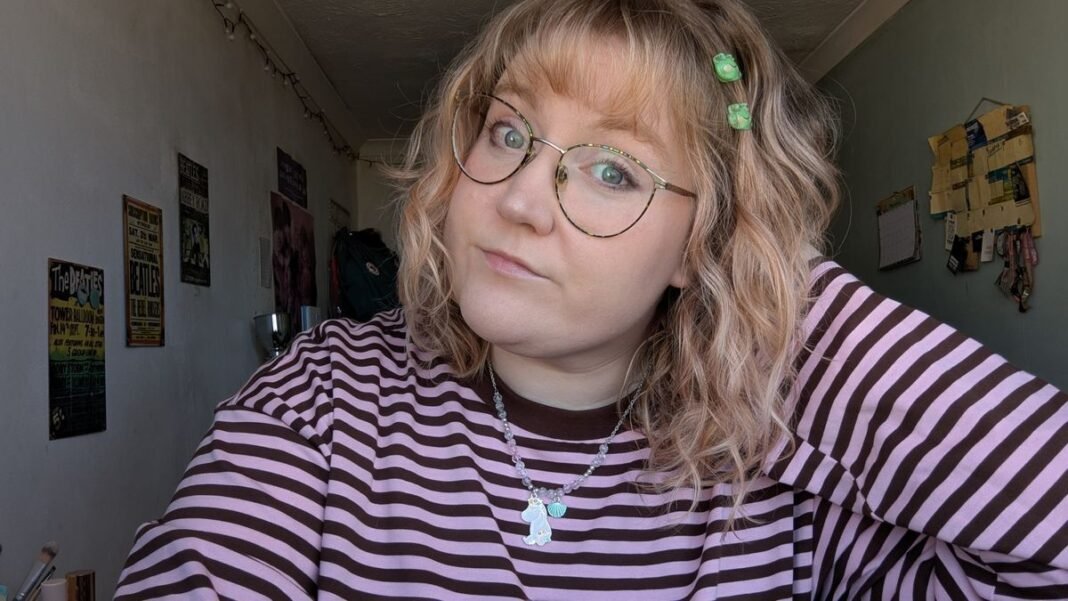

I suspect that I might be autistic, but I have been waiting for over two years for an NHS diagnosis like many adults in the UK. The waiting times for adult autism assessments vary depending on the region. While guidelines suggest a maximum wait of three months in England and Northern Ireland, the reality is that most individuals wait much longer.
The extended wait can be stressful, depriving people of necessary support and interventions that come with a diagnosis, in addition to the mental health toll it exacts. Women face additional challenges in receiving an autism diagnosis due to systemic and unconscious sexism. Traits such as social quietness or unique hobbies are often overlooked in females, leading to delayed recognition of the condition.
Many women learn to mask their traits, like making eye contact, to conform to societal expectations of politeness. Consequently, numerous women remain unaware of their condition until adulthood, after years of struggling with their mental health.
I reached out to my GP in October 2023 to discuss potential autism and ADHD concerns. Despite the immediate provision of referral forms, the diagnostic process has been prolonged. It took over a year, until November 2024, for me to receive an email confirming my continued presence on the waiting list due to a change in assessment providers.
Periodic emails reassure me of my status on the waiting list, but the lack of diagnosis and support complicates my daily challenges. Autism Awareness Day today prompts me to share my experience, shedding light on the impact of masking symptoms for three decades.
Symptoms such as difficulty with eye contact, intense interests in specific subjects, and the need for sensory tools to manage anxiety are prevalent in my life. Noise sensitivity, a common issue for many autistic individuals, significantly impacts my daily routine, triggering stress and anxiety.
While earplugs offer temporary relief, prolonged use exacerbates my sensory issues. The constant struggle to balance social interaction and solitude presents ongoing challenges, affecting my mental well-being.
An autism diagnosis, if obtained, would validate my experiences, offer tailored support tools, and alleviate the burden of uncertainty. While a diagnosis won’t cure autism, it could enhance my coping mechanisms and provide a sense of relief from the waiting game.
Amidst my personal journey, I recognize the shared experiences of many individuals awaiting diagnoses. It is essential that our voices are heard to address the challenges we face. For further information and support on autism, visit the National Autistic Society website.