
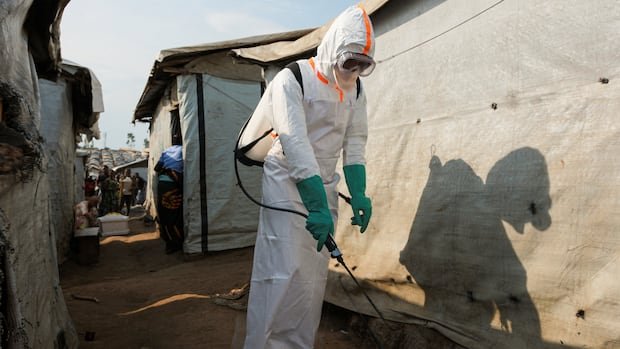

The Ebola crisis in the Democratic Republic of Congo has escalated to become the most severe in the nation’s history, prompting global concern as confirmed cases continue to surge. As of August 16, the country’s public health ministry has reported a total of 2,378 deaths due to the outbreak.
Describing the situation as unprecedented, Tedros Adhanom Ghebreyesus, the head of the World Health Organization (WHO), emphasized the alarming speed at which the outbreak is spreading. He highlighted that this is the second-largest Ebola outbreak on record, surpassing previous outbreaks in terms of rapid transmission.
Ebola is a severe disease associated with a group of viruses called orthoebolaviruses, with four strains affecting humans: Zaire, Sudan, Taï Forest, and Bundibugyo – the latter being the strain identified in the current outbreak, the 17th recorded in the D.R.C.
The outbreak, officially announced in May, has primarily affected the eastern region of the D.R.C., near its borders with South Sudan and Uganda. The initial suspected case was a health worker who fell ill and subsequently passed away in Bunia, the capital of Ituri province.
The unprecedented speed of the current Ebola outbreak has raised significant concerns. Within a short period, more cases have been reported compared to past outbreaks. The outbreak has spread across six provinces in the D.R.C., with Ituri being the hardest hit, leading to a high case fatality rate of 47.4%. The lack of a vaccine or treatment specific to the Bundibugyo strain, ongoing armed conflicts, mass displacement, and resource shortages have complicated response efforts.
To address the crisis effectively, testing, contact tracing, safe burials, and isolation of patients are crucial. Dr. Joanne Liu, a physician and professor at McGill University, stressed the importance of deploying more health workers and providing adequate support to local response teams. WHO officials are intensifying efforts by deploying additional epidemiologists and expanding treatment facilities to combat the outbreak effectively.
The WHO emphasizes the need for increased financial support from countries like Canada to enhance response activities on the ground. Dr. Liu stressed the importance of controlling the outbreak at its source to prevent further spread beyond borders, highlighting the necessity of a coordinated international response to contain the crisis.