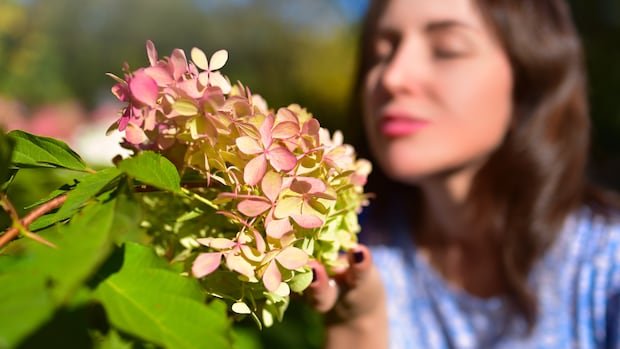


Kate McLean-Mackenzie, a researcher at the University of Kent, leads walks focusing on scents in various cities.
During these walks, participants rely solely on their sense of smell to perceive their surroundings. They are encouraged to pay attention to both distant and nearby scents.
Although the idea of intentionally smelling one’s way through a city stroll may seem unconventional to some, McLean-Mackenzie believes that experiencing places through our noses in addition to our eyes is crucial.
According to McLean-Mackenzie, participating in smell walks can alter one’s perception of the world. “It changes how you engage with the environment,” she shared with guest host Paul Hunter on As It Happens. “It shifts your perspective and allows you to view places in a new light through smell.”
Over the past 15 years, McLean-Mackenzie has meticulously documented and analyzed the scents of 40 towns and cities worldwide for her upcoming publication, Atlas of Scents and Smells.
Defining a ‘smellscape’
McLean-Mackenzie explains that she constructs “smellscapes” by utilizing data collected during smell walks conducted in various global locations.
She describes a smellscape as “the olfactory version of a visual landscape.”
“Similar to how you visually observe your surroundings by scanning left to right, looking over horizons, and gazing downward, a smellscape refers to what you smell in your immediate vicinity,” she clarified.
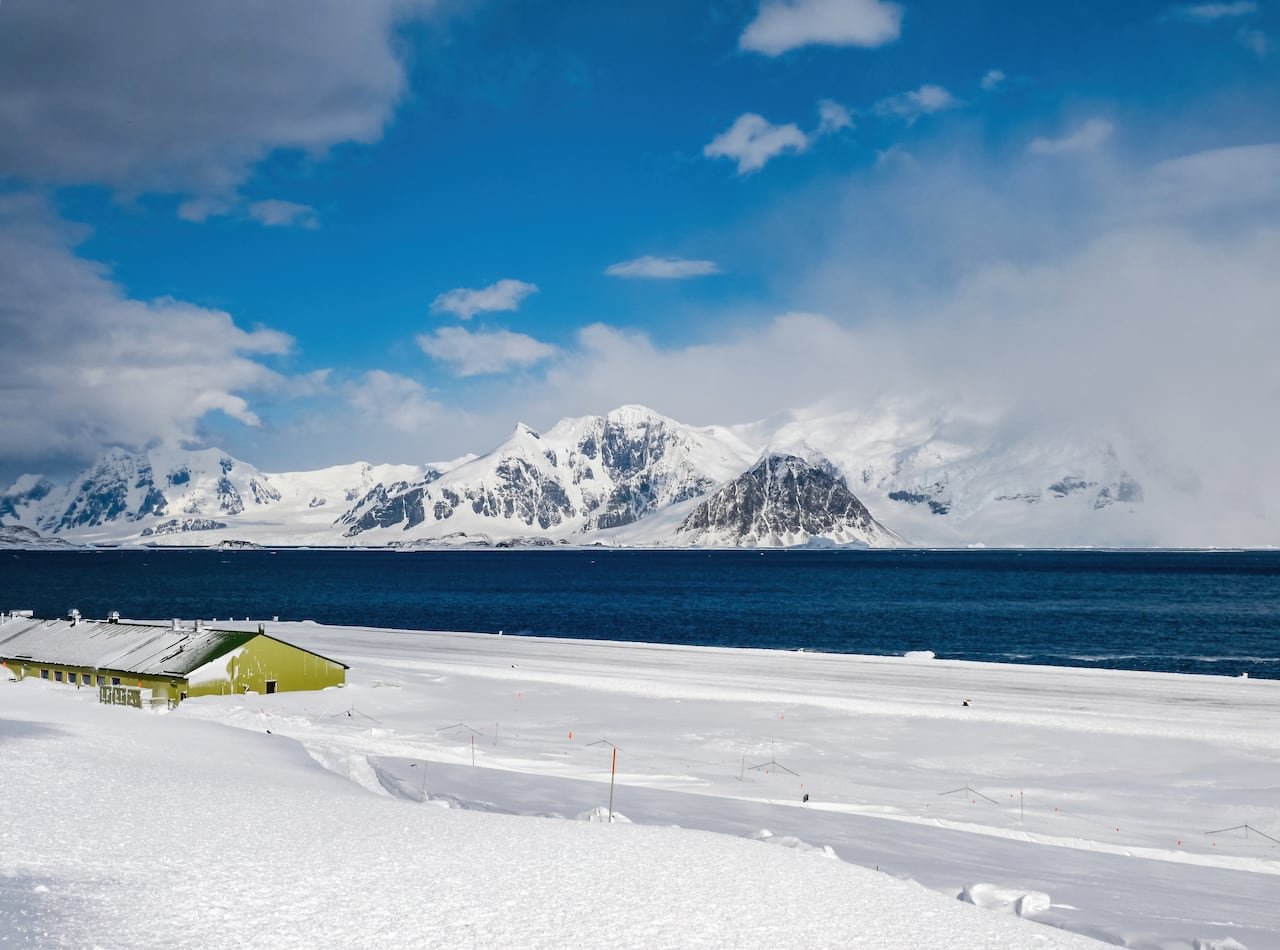
Ever wondered about the scent of Antarctica? In McLean-Mackenzie’s compilation, it comprises the musky odor of a deceased seal intertwined with the smell of heavy machinery present at the Rothera Research Station where the data was gathered.
She also recalls her visit to Kyiv, Ukraine, nine years ago, where the city exuded its historical essence – a blend of the pine forest it was constructed in, mixed with the river, and “summery moments in the heart of winter,” marked by “peculiar patches of moss and greenery.”
With nearly four years passed since Russia’s invasion of Ukraine, McLean-Mackenzie acknowledges that Kyiv’s aroma has likely evolved. She emphasizes the importance of preserving these scent records as environments and industries change.
“As time progresses and locations transform, so do the smellscapes,” McLean-Mackenzie noted. “Maintaining a record, both visually and descriptively, of the scents of these cities is invaluable.”