
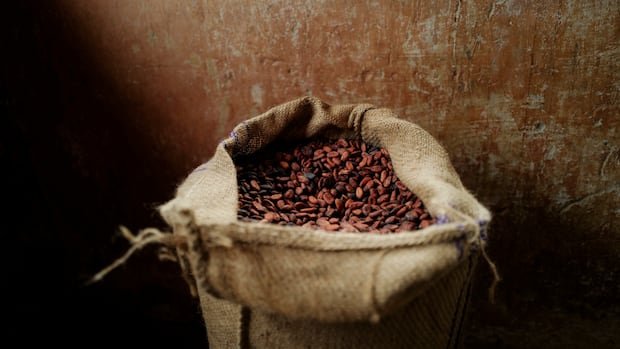

A recent peer-reviewed study has highlighted a lesser-known risk faced by cocoa production due to heavy rainfall, rather than the commonly focused heat and drought factors. The study, led by Anna Lea Albright, an environmental fellow at Harvard University, emphasized the significant impact of extreme rainfall on cocoa yields. Cocoa prices have surged in recent years, with a tonne currently priced at around $6,000 US, compared to the previous trading range of $2,000 to $3,000 US per tonne since 2014. Factors such as heavy flooding in West Africa have contributed to this price hike, reaching over $12,000 US in 2024.
According to Leslie Agyare, founder of Three Mountains Cocoa in Ghana, heavy rainfall has posed a significant challenge for cocoa farmers this year, affecting their crop management and harvesting. Despite the looming threats of climate change intensifying extreme rainfall events, the study suggests potential interventions to mitigate the adverse effects on cocoa production.
The study, focusing on Ghana, the world’s second-largest cocoa producer, revealed that extreme rainfall during flowering stages significantly limits cocoa yields more than temperature variations. Excessive moisture can damage delicate cocoa flowers and pods, leading to lower yields and increased susceptibility to fungal diseases like black pod disease.
The research also identified a clear climate signal, indicating that warmer air can hold more moisture, contributing to heavier rain events during the wet season. While El Niño typically reduces the risk of extreme rain in West Africa but increases the likelihood of drought, farmers are facing challenges with irregular rainfall patterns affecting their crop growth and harvest.
Apart from climatic risks, the study also highlighted non-climactic threats such as aging trees and illegal gold mining, which further impact cocoa production. Experts emphasize the need for infrastructure investments and improved farming practices to address the challenges faced by cocoa farmers in mitigating extreme rainfall impacts.
As climate shocks continue to threaten cocoa farming in West Africa, there are concerns about the future sustainability of cocoa production. Factors like changing climate conditions and increasing price volatility may drive farmers out of the industry, prompting chocolate producers to explore cocoa-free alternatives. Companies like Nestlé have ventured into cocoa-free chocolate production, offering alternatives like ChoViva, made from sunflower seeds, as a more resilient and sustainable option for the chocolate industry.