

Five past leaders of a committee advising the Canadian government on endangered wildlife have penned an open letter expressing worries about potential revisions to the Species At Risk Act. They caution that these changes could result in the intentional extinction of at-risk species in the country. The legislation currently safeguards over 600 species, but proposed modifications could undermine its effectiveness, as noted in a recent press release by the concerned scientists.
Former chairs of the Committee on the Status of Endangered Wildlife in Canada (COSEWIC) sent the letter to federal authorities last month. COSEWIC is an independent group that evaluates species at risk of extinction and recommends their inclusion in endangered species protection laws. The scientists decided to make the letter public to raise awareness and prevent Canadians from unknowingly contributing to the deliberate eradication of Canadian wildlife species.
Amidst discussions about broad environmental regulatory changes, including amendments to the Species At Risk Act, concerns are raised about the future application of ‘jeopardy tests.’ These tests prevent the government from approving projects that would harm species listed under the act and their essential habitats if such actions endanger their survival. According to David Green, a former COSEWIC chair and biology professor at McGill University, these jeopardy tests play a crucial role in safeguarding endangered species.
The proposed revisions also grant authorities the power to designate “federal economic zones” for pre-approving industrial projects and pipelines before route establishment, circumventing federal impact assessments. The current Bill C-5 allows expedited approval processes for projects deemed in the national interest.
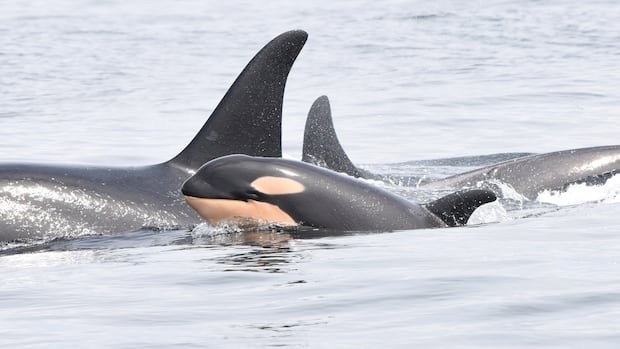
The letter specifically mentions a new West Coast oil pipeline project under consideration as being of national importance. This project, if approved, could have severe repercussions on various species protected under the act, including the southern resident killer whale and the Chinook salmon, crucial to the whale’s diet. Both species and their habitats are located in the Salish Sea, where the proposed pipeline terminates.
The scientists warn that the envisioned West Coast pipeline, if approved in the national interest, could lead to the decline of the imperiled killer whale population through increased tanker traffic noise and habitat destruction, affecting their primary food source. They question whether Canadians are willing to risk the survival of these unique killer whales for another oil pipeline project.
The proposed legislative changes have surprised many, including experts and environmental advocates, who view them as setting a concerning precedent. Kathryn Harrison, a UBC professor specializing in climate and energy politics, notes that these changes not only allow the government to bypass existing laws but also grant additional authority to introduce new regulations.
Despite the public concern raised in the scientists’ letter, the government has not yet responded. The Privy Council Office emphasized the government’s commitment to species conservation and meeting obligations under the Species at Risk Act. The government justifies the potential changes as necessary to boost the economy and reduce reliance on U.S. trade amid ongoing trade tensions.
The government has extended public engagement following backlash from Indigenous groups and environmental organizations, with formal legislation anticipated after Parliament reconvenes in September. Green urges a rethink, emphasizing the irreversible consequences of species loss in Canada.