

When you order a pumpkin spice latte or a caramel macchiato from Starbucks, it’s reasonable to assume you have an idea of the sugar content in those drinks.
However, what can you anticipate when requesting a beverage labeled as “sugar-free?”
This question is at the heart of a proposed class-action lawsuit in the U.S., which alleges that the coffee giant inaccurately marketed eight protein drinks as “sugar-free,” while in reality, each venti-sized serving contains between 13 and 21 grams of sugar due to the natural sugars found in milk.
The lawsuit, filed on Friday in a federal court in Seattle and reviewed by CBC News, accuses Starbucks of attempting to exploit “the protein trend” and the nutritional choices of its customers.
“By labeling its beverages ‘Sugar-Free,’ Starbucks is making a specific, quantifiable, and verifiable assertion regarding the characteristics of these drinks. Consumers depend on such claims when making purchasing decisions,” the lawsuit states.
“A venti Sugar-Free Caramel Protein Matcha contains 21 grams of sugar, which is roughly equivalent to five teaspoons of sugar. This amount is nearly as much total sugar as found in a standard Kit Kat bar.”
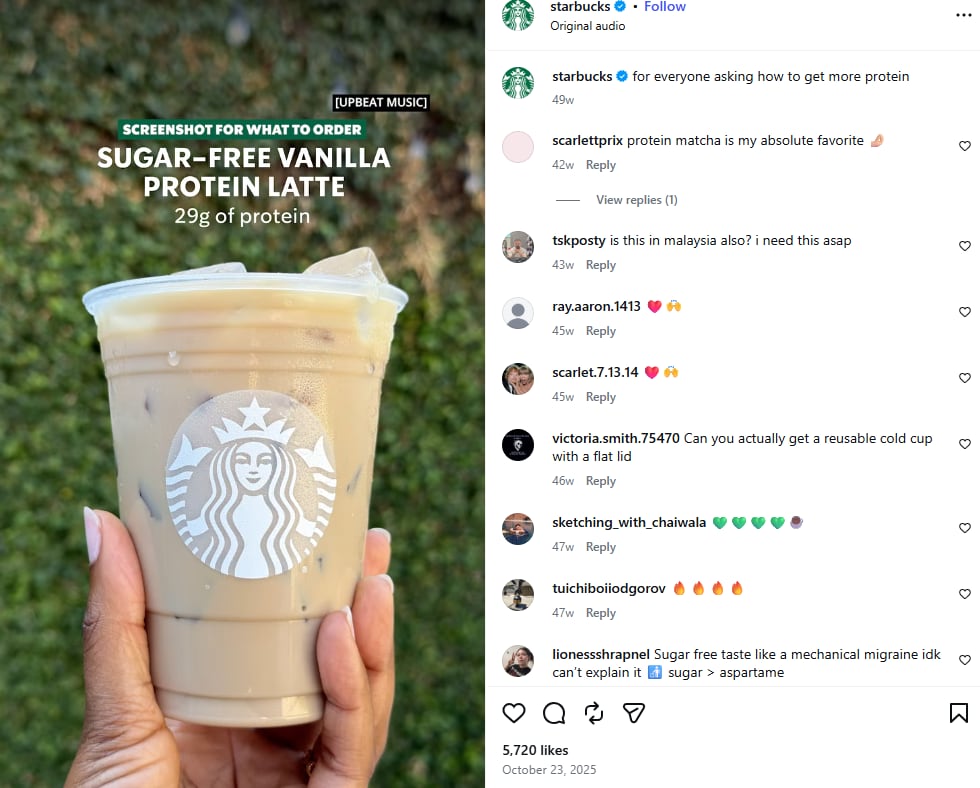
A screenshot of an Instagram post by Starbucks from October 23, 2025, promoting some protein beverages as sugar-free. (@Starbucks/Instagram)
A representative from Starbucks informed CBC News on Wednesday that they believe the allegations in the lawsuit are “without merit.”
“Starbucks has always provided clear and consistent information regarding its protein beverages, sugar-free alternatives, customization options, and nutritional details … and we are prepared to defend ourselves vigorously,” the spokesperson stated.
So, are these drinks genuinely sugar-free? Is the labeling deceptive? And does this issue extend to beverages in Canada as well?
Let’s delve deeper into the lawsuit and the available information.
Which drinks are being scrutinized?
The lawsuit identifies eight protein beverages that Starbucks markets as sugar-free:
- Sugar-free vanilla protein latte.
- Sugar-free caramel protein latte.
- Sugar-free vanilla protein matcha.
- Sugar-free caramel protein matcha.
- Iced sugar-free vanilla protein latte.
- Iced sugar-free caramel protein latte.
- Iced sugar-free vanilla protein matcha.
- Iced sugar-free caramel protein matcha.
All of these products are listed on both U.S. and Starbucks Canada websites under the “protein beverages” category. Although the eight drinks are categorized as “no added sugar options,” they currently feature “sugar-free” in their titles.
Starbucks introduced these beverages in September 2025, citing data indicating that “71 percent of Canadian consumers wish to increase their protein intake.” In a press release at that time, Starbucks highlighted that its new protein drinks would be “available without sugar or sugar-free and are designed to assist customers looking to enhance their protein consumption.”
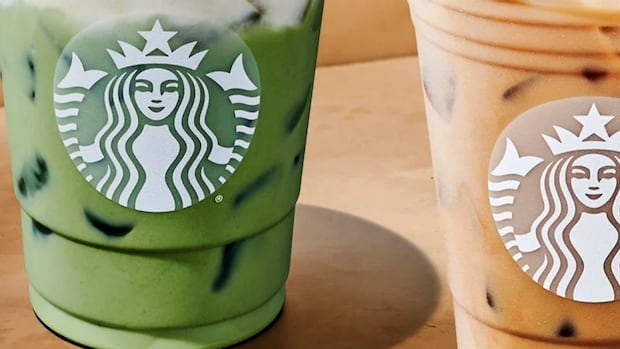
Starbucks is following in Tim Hortons’ footsteps as the latest coffee chain to incorporate additional protein into its caffeinated drinks, a shift experts suggest may enhance profit margins more than contribute to customer health.
Are the drinks truly sugar-free?
No, each drink contains sugar—ranging from 13 to 21 grams per venti serving. At the upper end, this is comparable to the sugar content in a KitKat or Coffee Crisp chocolate bar, according to Health Canada.
When viewing the individual drinks on the company’s website, Starbucks provides nutritional details for each “sugar-free” protein beverage, including sugar content by size. For example, a venti iced sugar-free vanilla protein latte is noted to contain 13 grams of sugar, while a venti sugar-free caramel protein matcha has 21 grams of sugar.
As highlighted in the lawsuit, “the sugar-free products all include milk, which contains lactose, a naturally occurring sugar.”
-
Whey up: Protein powder prices soar as global demand grows
-
Is it unprofessional to bring iced coffee to a job interview? Gen Z is being dragged for it
If the sugar is natural, what’s the concern?
The lawsuit argues that the problem lies not in the source of the sugar, but rather in the sugar-free labeling.
“Even though Starbucks is aware that Sugar-Free products contain milk, which includes lactose, recognized as a sugar, it still refers to these beverages as ‘Sugar-Free,'” the lawsuit claims.
“Starbucks labels these beverages ‘Sugar-Free’ because it understands that consumers rely on such representations when making purchasing decisions.”
What consumer protection laws apply?
U.S. federal regulations prohibit Starbucks from labeling drinks as “sugar-free” if they contain more than 0.5 grams of sugar per 12-ounce serving, according to the complaint—even if that sugar is derived from milk.
In a similar fashion, Canadian regulations state that for a product to be marked as sugar-free, it must contain less than 0.5 grams of sugar per reference amount and serving size, as per the Food and Drug Regulations.
New nutrition symbols are now mandatory for many packaged goods in Canada. They indicate if the product is high in saturated fat, sugars or sodium. But some experts worry they’re not obvious enough to make a difference.
In both the U.S. and Canada, there is a distinction between labeling something as “sugar-free,” as Starbucks has with its protein drinks, versus labeling it as having “no added sugars,” the latter being how Starbucks describes the drinks in nutritional information due to its use of sugar-free syrups.
Lactose is classified as a sugar in both Canada and the U.S.
Food manufacturers frequently face lawsuits for alleged misleading advertising, including numerous recent cases challenging “sugar-free” or “zero sugar” claims for items that include a sugar substitute known as allulose.
What are the next steps?
The complaint seeks unspecified damages for false advertising and breaches of various consumer protection laws at the state level. It also requests that the lawsuit be recognized as a class action and demands a jury trial “on all triable issues.”
This lawsuit was initiated on behalf of three individual consumers who purchased Starbucks’s sugar-free protein beverages in California, New York, and Washington.
Consumers may avoid sugar for numerous reasons, including health concerns like diabetes, as noted by Steve Berman, a co-founder and managing partner of the Seattle-based firm that filed the lawsuit, in a press release.
“For many, significant mislabeling like this is a serious issue,” Berman stated.
“Drinks with this level of sugar are comparable to consuming a candy bar.”