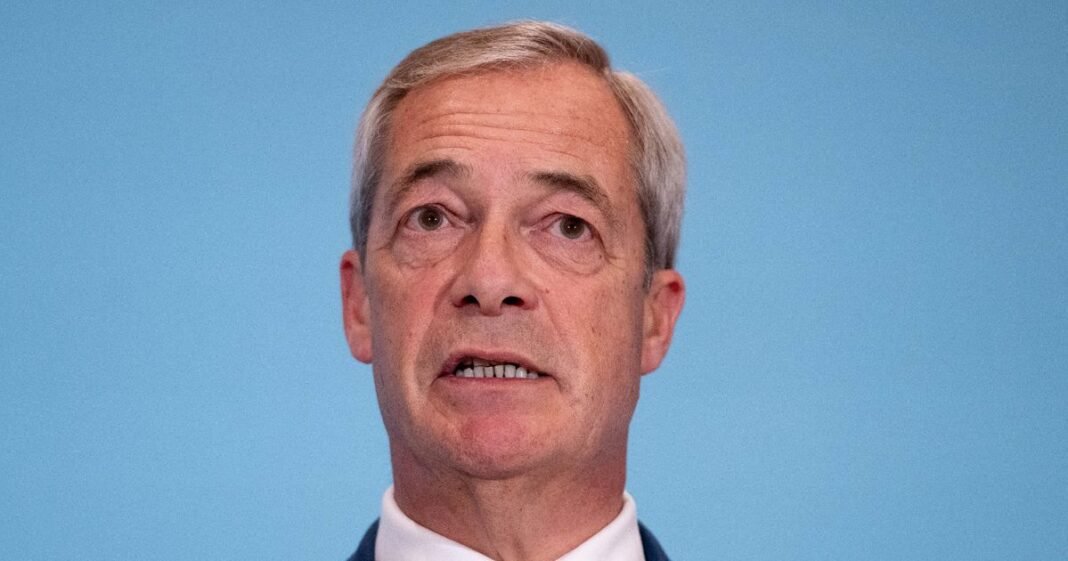

In the realm of British politics, a fresh and charismatic leadership has emerged, steering a burgeoning party to significant popularity in recent polls. This new political force is making bold claims to differentiate itself from the traditional Labour and Conservative parties. Drawing parallels to history, reminiscent of the surge of the Social Democratic Party in 1981, led by figures like Roy Jenkins and Shirley Williams, the current wave of enthusiasm faces uncertainties about its long-term success.
Nigel Farage, a prominent figure in this movement, may have valid concerns about potential parallels to past failures, as victory in a General Election, possibly not until 2029, is far from guaranteed for Reform UK. Recent opinion polls indicate a slight lead of 25% over the Conservatives, with other parties like the Greens, Labour, and the Lib Dems closely trailing.
Despite initial momentum, Reform UK is facing challenges, including controversies surrounding its members and leaders. With public opinion shifting and increased scrutiny on the party, its path to widespread success seems fraught with obstacles. Although projections suggest potential wins in regional elections, there are signs of a diminishing fervor and a growing skepticism regarding the party’s future prospects.
While completely dismissing Farage’s influence would be premature, the likelihood of him becoming Prime Minister appears increasingly doubtful as skepticism and criticisms mount against his leadership. In a climate where accountability and transparency are paramount, the true test for Reform UK lies ahead as it navigates a complex political landscape.