
Modern political movements thrive or decline on social media platforms, such as Instagram and TikTok. The recent New York Mayoral election serves as a clear illustration of this phenomenon. Despite being an Irish woman residing in London, my Instagram feed was inundated with updates from Zohran Mamdani’s successful mayoral campaign in New York City.
The power of hope and hate to influence opinions is evident, and social media serves as a potent marketing tool for these emotions. Nigel Farage has adeptly crafted concise soundbites that resonate with his followers and are easily shareable.
A report by the charity Demos, titled “Inside the Mind of a 16-Year-Old,” revealed insights gathered from workshops involving over 700 young individuals nationwide. The study delved into their perspectives on social media, politics, the state of Britain, and their future aspirations.
The report highlighted a significant disconnect between mainstream politicians and young people, with Nigel Farage being neither liked nor disliked but admired for his social media prowess and candid communication. In contrast, Keir Starmer was perceived as invisible rather than disliked.
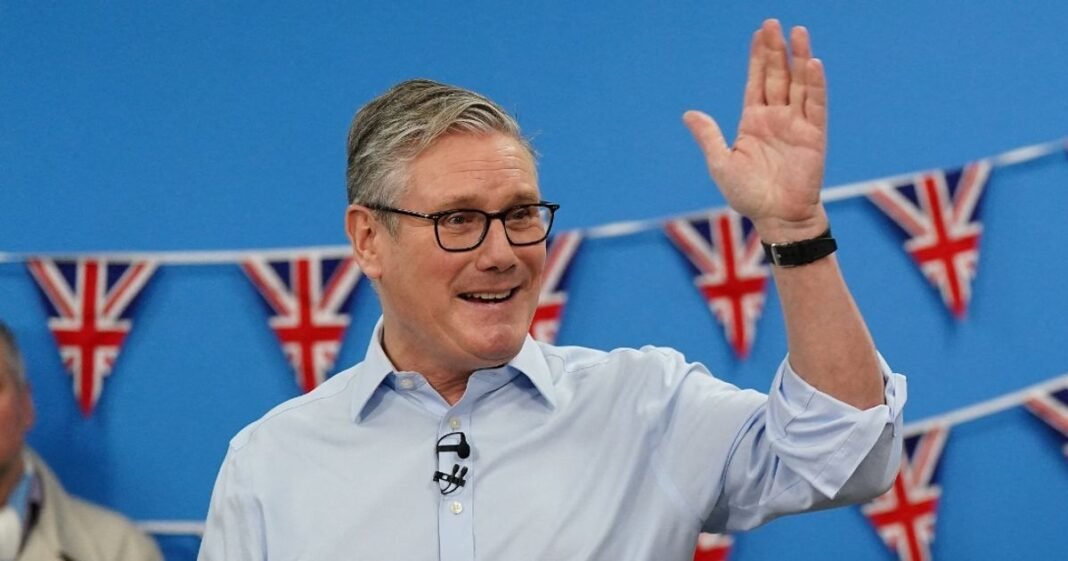
Prime Minister Keir Starmer has recently ventured into the realm of social media communication, signaling an acknowledgment of the importance of engaging with Generation Z. By joining TikTok and sharing a festive video at 10 Downing Street, Starmer has begun to connect with a younger audience. While his TikTok account, launched on December 8, has attracted 26.5k followers, there is still ground to cover considering Nigel Farage’s 1.4 million followers on the platform.
The Demos report underscores the critical role of TikTok in shaping democratic engagement among young individuals. For many, TikTok not only serves as a source of entertainment but also as a primary news outlet, offering a more relatable and immediate source of information compared to traditional media.
To resonate with young voters, political posts must exude a sense of fun, freshness, and authenticity. Establishing a strong social media presence early on is crucial, as it shapes the political identity of individuals before policy discussions come into play.
Engaging in meme culture and fostering a strong online persona are vital for political representatives aiming to connect with younger audiences. The ability to convey messages through viral content rather than traditional debates or interviews is becoming increasingly significant in reaching and influencing the youth demographic.
While Keir Starmer’s TikTok debut faced initial challenges, garnering mixed responses, his videos have attracted substantial views. Labour faces an uphill battle in the social media sphere, but their efforts to adapt and engage with newer platforms reflect a proactive approach, albeit belated.
In conclusion, the evolving landscape of social media necessitates political figures to embrace innovative communication strategies to effectively reach and resonate with younger generations.