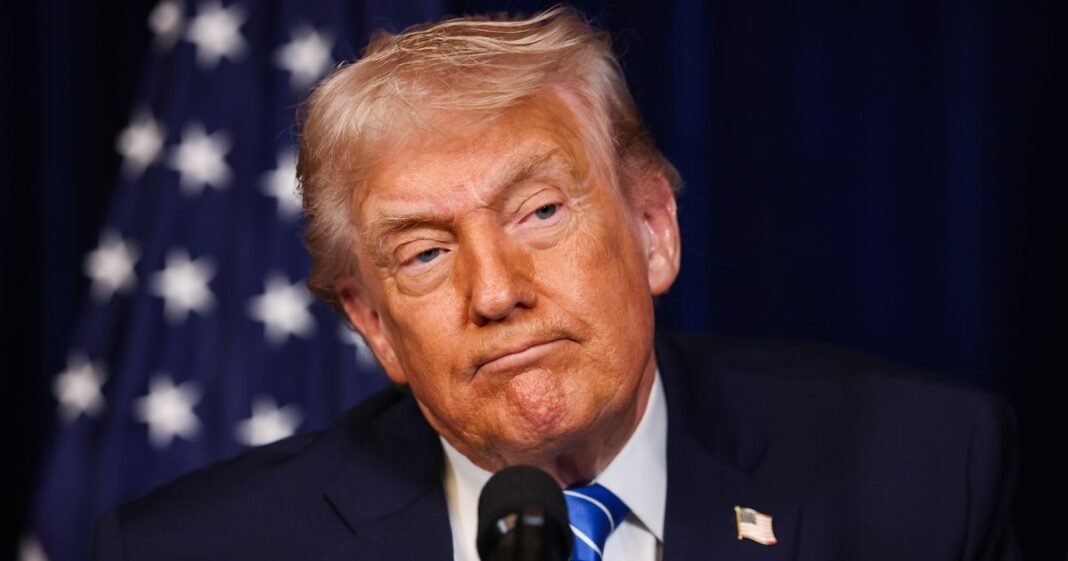

President Trump’s unexpected actions in Venezuela, including the capture of Nicolas Maduro, have raised concerns about potential future military interventions that could disrupt global stability. The US administration has indicated interest in strategic locations like Greenland, Cuba, Mexico, Colombia, and Iran, creating unease in Europe about how to respond to these developments.
Greenland, a region rich in minerals, has drawn Trump’s attention due to its perceived national security benefits. Despite objections from Danish leaders, who view Greenland as part of their realm and a key ally to the UK, Trump has continued to push for annexation, citing the island’s potential for enhancing US defense capabilities against emerging threats like Russian hypersonic missiles.
The possibility of Greenland being targeted for its resources and strategic value has sparked international debate. While Trump sees it as a vital asset for US interests, Greenland’s Prime Minister and other officials have firmly rejected any notion of US acquisition, denouncing it as a fantastical and unwarranted claim.
The recent operation in Venezuela, characterized by the sudden seizure of Maduro, has demonstrated Trump’s willingness to use military force for geopolitical leverage. The US government’s focus on countering perceived threats in South America, particularly regarding potential ties between Venezuela, Iran, and other hostile entities, has further fueled speculation about future military actions in the region.
In the case of Greenland, the island’s significance for US missile defense systems, such as the Pituffik Space Base, has become a focal point of contention. Trump’s administration views Greenland as a crucial asset in upgrading early warning radar capabilities, potentially leading to a forceful takeover if diplomatic negotiations fail.
The escalating tensions surrounding Greenland’s status have been exacerbated by provocative statements from US officials and indications of potential military actions against other nations like Cuba, Iran, and Colombia. The geopolitical landscape remains uncertain as the US weighs its options in response to perceived threats and strategic interests in different regions around the world.