
Britain is facing increased concerns about its susceptibility to nuclear threats amid rising global tensions. RAF Lakenheath in Suffolk, under US operation, is set to accommodate US/NATO nuclear weapons soon, putting the UK at the forefront of potential conflicts between the US and Russia.
The presence of American nuclear arms on British territory significantly heightens the country’s risk of being a target. Analysts in the military sector suggest that in the event of a war, Lakenheath would likely be targeted first before other areas in the nation.
While experts recognize the devastating global impact of a nuclear conflict involving the US, NATO, and Russia, it is essential to understand the direct repercussions for British towns and cities. The Campaign for Nuclear Disarmament warns that a single nuclear strike on any urban area would have catastrophic effects on the local population and environment, with far-reaching radioactive consequences.
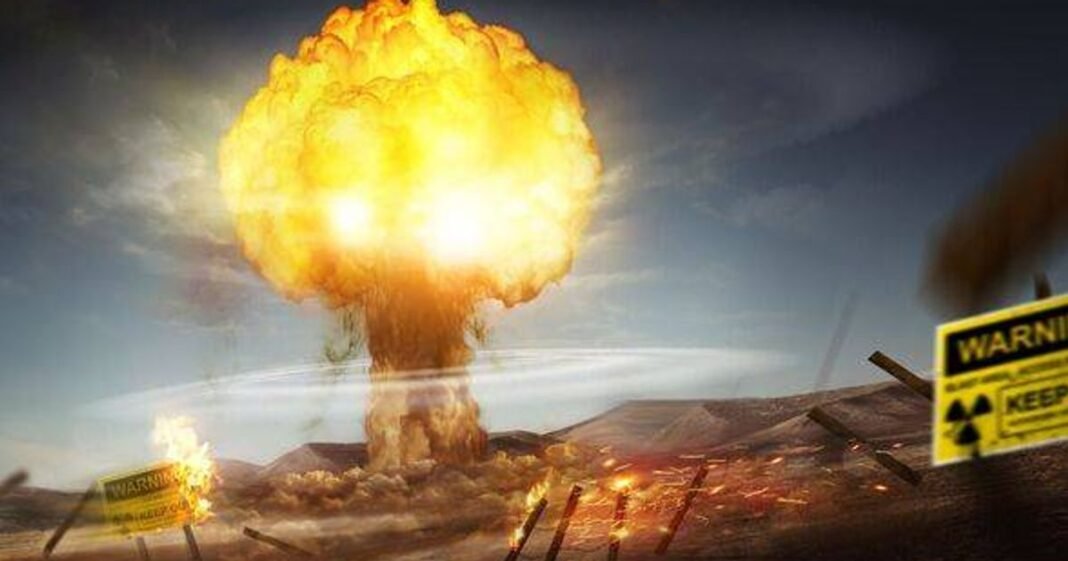
Their report highlights that an attack with Russian warheads like SS-25 or SS-27 on London could result in nearly a million casualties, with similar devastating outcomes for Glasgow and Cardiff. The central point of a nuclear explosion could reach extreme temperatures, obliterating human tissue within a significant radius.
Reflecting on the bombings in Hiroshima in 1945, where two atomic bombs caused immense devastation and claimed numerous lives, it is evident that the aftermath of nuclear warfare is catastrophic. The report indicates that the immediate fatality rate in the immediate blast zone would be exceptionally high, exceeding 90%.
Beyond the initial impact zone, there would be a gradual increase in fatalities due to burns, amputations, blindness, and internal injuries. Emergency services would struggle to respond effectively, overwhelming medical resources and leaving many with injuries.
The long-term effects of radioactive fallout would affect even those who initially survived, leading to various health complications and an increased risk of radiation-induced cancers. Children born to exposed individuals could face birth abnormalities and health issues. Moreover, the environmental and climatic impact of nuclear weapons could lead to global food shortages and widespread starvation affecting billions of people.
The potential consequences of a nuclear war extend far beyond immediate casualties, emphasizing the urgent need for global disarmament and peace efforts to prevent such catastrophic events.