

Jozef Domanski was forcibly taken by the Nazis to work in Germany in 1941 at the age of 14. Following his release after the war, he resettled in the UK, residing in Wolverhampton and later Essex. Unfortunately, he lost contact with his family in Poland over the years, primarily communicating through letters. Communication dwindled after an injury in 1976, and his relatives last heard from him in the early 2000s, despite their attempts to locate him.
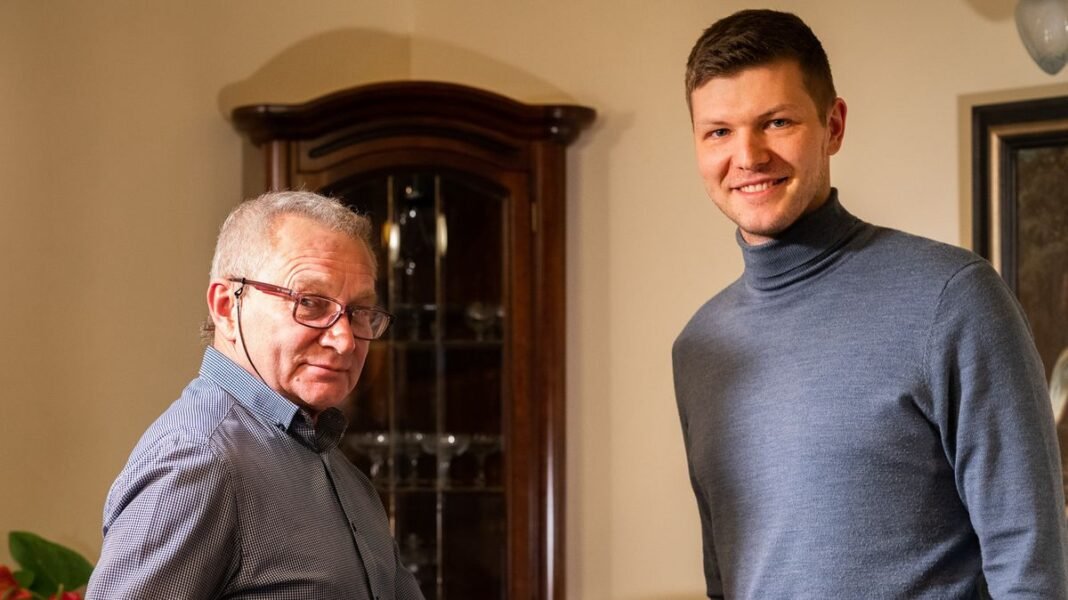
In 2012, at 86 years old, Jozef passed away without a spouse or children. Approximately 85 years after his capture, his family inherited his £100,000 estate after a lengthy international legal process involving the collaboration of authorities in the UK, Germany, and Poland. Krzysztof Sadowski, Jozef’s nephew and family representative, shared that Jozef regularly corresponded with his mother, Helena, expressing his longing for Poland and his family.
Efforts to locate Jozef’s next of kin were initiated by a UK local authority, leading to a decade-long legal and genealogical investigation requiring cooperation among specialists from the three countries. The research, spearheaded by Benjamin Ratz of GEN SPZOO, eventually reunited Jozef’s family and facilitated the inheritance distribution among surviving relatives.
Krzysztof expressed his intention to honor his grandparents with part of the inheritance, commemorating Jozef’s memory on their graves. Reflecting on the impact of war trauma on families, Antoine Djikpa, Chairman of the IAPPR, emphasized the significance of restoring Jozef’s name, history, and family connections as a form of justice and accountability, even decades later.