
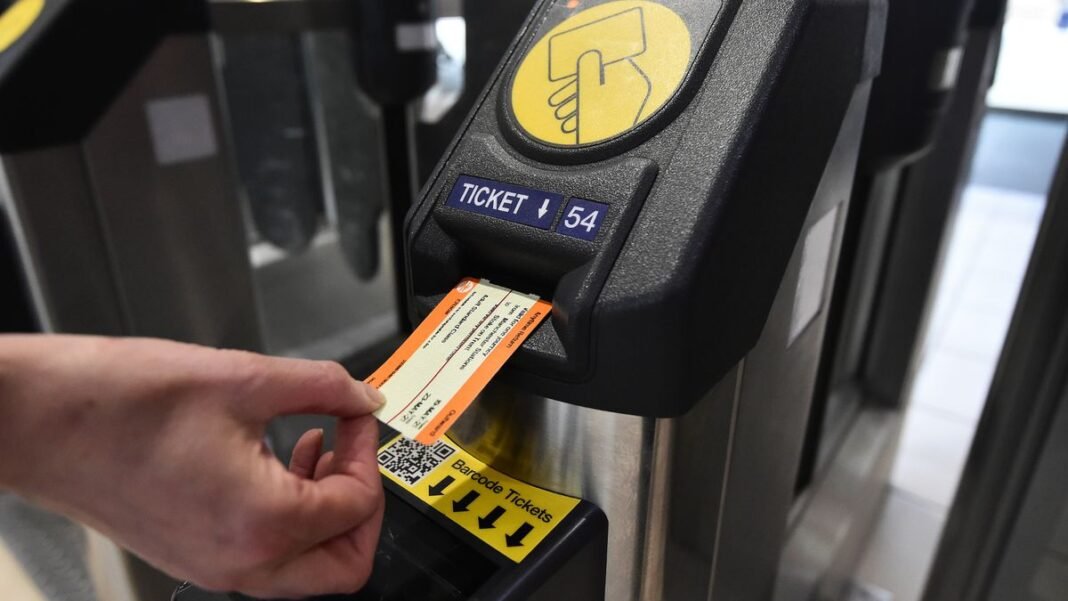

Millions of UK commuters are in line for savings following the announcement of the first rail fare freeze in 30 years. The Chancellor plans to hold fares steady in the upcoming Budget, resulting in a £600 million saving for current rail travelers in 2026/27 across over a billion train trips.
Under the Conservative government, ticket prices had surged by 60%, but now passengers can benefit from no increases on season tickets, peak returns for commuters, and off-peak returns between major cities. Transport Secretary Heidi Alexander criticized the Tories for prioritizing profits over the public’s needs, a situation that has been rectified under the Labour administration.
Alexander highlighted the longstanding issue of fare increases over the past three decades and criticized the previous government for allowing private companies to profit while providing an unreliable service. The current government’s decision to save £150 million annually in management fees previously paid to train operators demonstrates a shift towards prioritizing passengers over shareholders.
Regular commuters using flexi-season tickets for three days a week stand to save £315 per year traveling from Milton Keynes to London, £173 per year from Woking to London, and £57 per year from Bradford to Leeds. The fare freeze will encompass all regulated fares, benefiting more than a billion passenger journeys throughout England.
Describing the move as a “statement” from the government, Alexander emphasized the aim of easing the cost of living for the public. The Labour government is committed to ensuring that families can retain more of their earnings, especially considering the 60% fare increase witnessed under the previous administration.
This initiative forms part of a broader strategy to alleviate living expenses, with Labour also freezing NHS prescription charges and hinting at the elimination of the 5% VAT on electricity bills. Additionally, plans are underway to enhance travel experiences through the development of a publicly owned Great British Railway (GBR), which will introduce modern digital ticketing options and invest in high-speed WiFi connectivity.
As the Budget approaches, Rachel Reeves intends to propose practical solutions to address national priorities, including reducing NHS waiting lists, managing national debt, and lowering the cost of living. The freeze on rail fares, the first in three decades, aims to alleviate financial burdens for households and enhance travel convenience for various purposes.