

Households are likely to experience a significant decline in their disposable income over the next few years, according to a prominent think tank. The Institute for Fiscal Studies (IFS) has projected that average disposable incomes will only increase by 0.5% annually during this parliamentary term, a stark contrast to the 2% growth seen in previous parliaments from the mid-1980s to the mid-2000s.
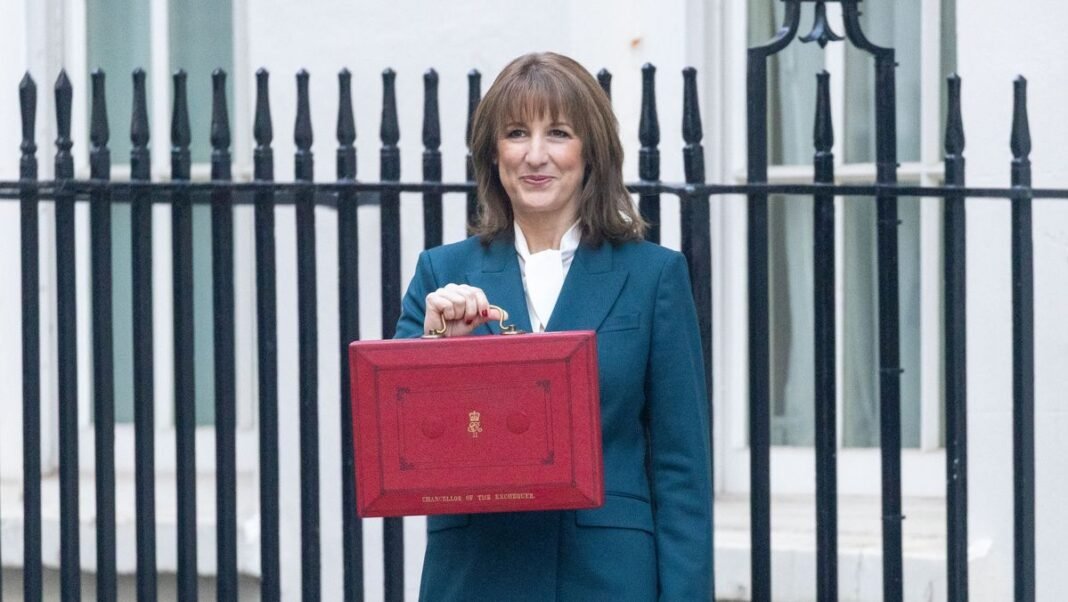
The IFS criticized Chancellor Rachel Reeves’ Budget as being lackluster, pointing out that spending will be front-loaded in the coming years, leading to higher borrowing. Subsequently, there will be substantial tax hikes to create a £22 billion buffer for future economic uncertainties.
Despite the criticism, the IFS acknowledged some positive aspects of the Budget, such as the expansion of the “headroom” and the proposed taxation of electric cars. Additionally, the clarification on funding for special educational needs and disabilities (SEND) was commended, along with the removal of the two-child limit on welfare to combat child poverty effectively.
However, the IFS cautioned that the Labour Party might struggle to adhere to its spending plans leading up to the upcoming general election. The think tank expressed concerns about Labour’s reliance on delayed tax increases and the potential impact of extending the income tax threshold freeze until 2031.
Labour leader Keir Starmer defended the party’s decisions, emphasizing their commitment to their pre-election promises while acknowledging the need for collective contributions to address financial challenges.
The IFS analysis predicted that this parliamentary term would witness the highest tax increases in history. Additionally, it highlighted that a significant portion of the new “mansion tax” recipients, targeting properties valued over £2 million, would be concentrated in London and the South East.
Furthermore, the IFS warned that the short-term benefits of the energy bill reduction in the Budget would diminish rapidly. The think tank criticized the government and previous administrations for failing to implement substantial reforms to the tax system, describing the announced measures as temporary fixes that do not address the root issues.