
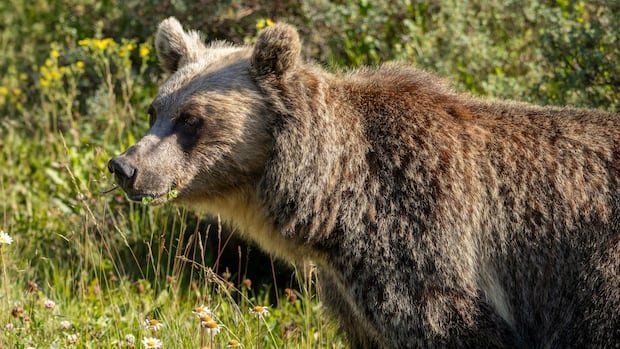

The Alberta government has reported a significant increase in the number of grizzly bears killed by hunters under its Wildlife Management Responder Network in recent months. A total of 13 grizzly bears have been killed this year, with 11 of them being taken down within the last three-and-a-half months, primarily due to livestock predation.
The program, which began in June 2024, has seen a total of 14 grizzly bears killed by authorized hunters. Only one bear was killed in 2025. The province’s pool of “problem wildlife” responders comprises qualified Albertan hunters selected for the program. When deemed necessary, these hunters may be called upon to deal with situations where a grizzly bear needs to be euthanized.
Alberta’s approach to wildlife management is driven by scientific evidence and expert advice, focusing on public safety, conflict reduction, and grizzly bear population recovery, according to a statement from the provincial ministry.
Although the province did not disclose specific details about the recent killings, it confirmed that all grizzly bear deaths through the program occurred outside designated recovery areas. Grizzly bears were classified as a threatened species by the Alberta government in 2010, with management decisions based on various factors, including interactions with livestock, pets, or humans.
While grizzly hunting has been prohibited in Alberta since 2006, except for Indigenous hunters for cultural or subsistence purposes, the removal of grizzly bears through the Wildlife Management Responder Network is not considered hunting but rather case-specific authorizations without tags. The province clarified that the responders can retain all parts of the bear except its gallbladder.
Despite the increase in grizzly bear mortalities through the responder program, the province stated that the overall human-caused bear mortality in 2026 is lower than usual, emphasizing that they are achieving recovery goals with pragmatic management approaches. The province highlighted the need for different management options where agricultural activities intersect with grizzly bear habitats.
The majority of grizzly bear killings have occurred in southwestern Alberta, an area with the highest grizzly bear population density in the province. This region, part of a larger international bear population extending into British Columbia and Montana, poses challenges for rural communities due to the coexistence of bears with human activities. Effective wildlife coexistence measures, population monitoring, and when necessary, lethal removals are deemed essential by experts for managing the situation in bear-inhabited areas.
The provincial government has committed to investing in initiatives to protect rural properties from large carnivores in southwestern Alberta, including setting up electric fencing and upgrading infrastructure. While the province estimates around 1,000 grizzlies in Alberta presently, a comprehensive provincial grizzly bear population study has not been conducted since 2018.