
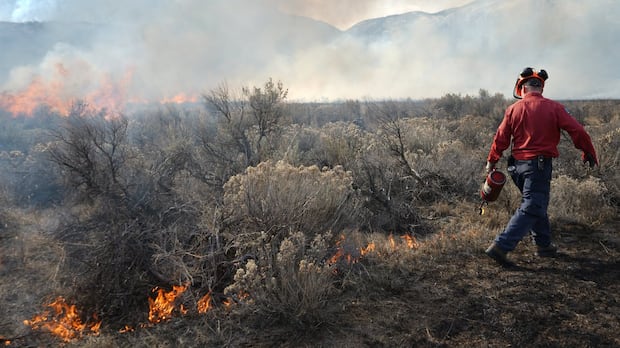

After nearly eight years of pursuing financial support, the City of Kimberley has successfully obtained $400,000 to investigate the potential impacts of wildfires on its drinking water supply.
This initiative traces back to the 2018 Meachen Creek fire, which raised alarms regarding the susceptibility of local water sources.
Mathieu Bourbonnais, an assistant professor at the University of British Columbia (UBC) Okanagan and co-director of the Centre for Wildfire Coexistence, remarked that individuals frequently overlook the significance of their drinking water.
“You turn on the tap and you have drinking water, and we just kind of assume that’s always going to be the case,” he stated.
“However, we depend on the environment to supply that for us, and wildfires are fundamentally altering how these systems function.”
Kimberley’s drinking water is sourced from the Mark Creek and Matthew Creek watersheds.
A significant wildfire could impact both the quality and accessibility of Kimberley’s drinking water for an extended period after the flames have been extinguished.
The objective of this project is to pinpoint those risks and develop strategies to mitigate them without introducing new issues for the water supply.
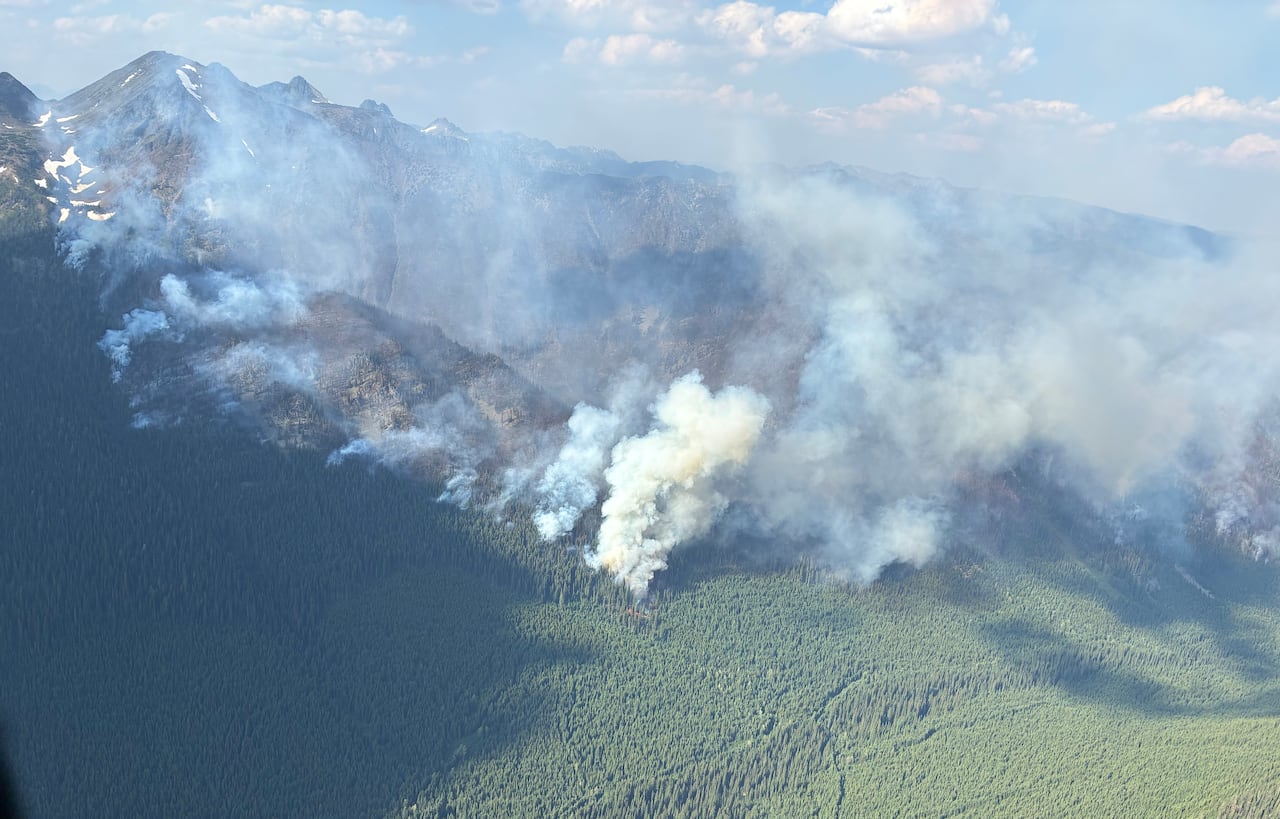
Smoke billows from the Matthew Creek wildfire near Kimberley, B.C., on July 19, prompting an evacuation alert for the entire city. (B.C. Wildfire Service)
Wildfire brings risks closer to home
This summer’s Matthew Creek wildfire triggered an evacuation alert throughout the city, highlighting the threats to Kimberley’s watersheds.
However, wildland fire ecologist Bob Gray indicates that the fire is not anticipated to significantly alter the movement of water within the watershed.
He explained that the regions that experienced the most intense burns were relatively limited in size and located higher on the slopes, while areas nearer to the river saw lighter burning.
The primary concern is the potential consequences if a larger, more intense fire were to sweep through one of Kimberley’s drinking-water watersheds.
Bourbonnais noted that severe wildfires could obliterate vegetation and soil, leading to increased erosion and sedimentation in streams.
Moreover, they can modify snow accumulation and melting patterns, ultimately affecting the timing of water flow into reservoirs.
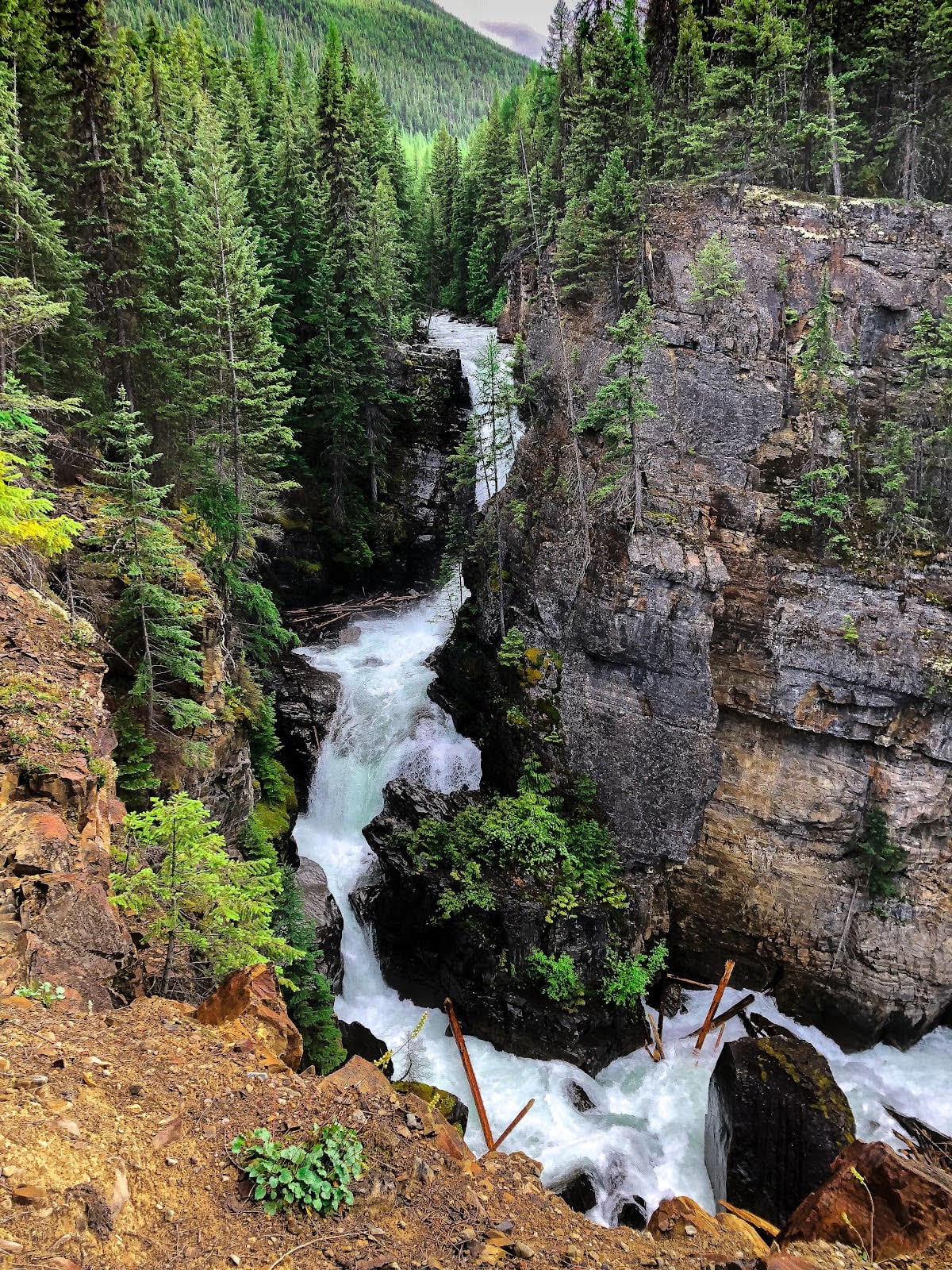
Meachen Creek Falls, located near Kimberley, B.C., is depicted in this undated photograph. (Tourism Cranbrook)
Looking ahead to future wildfires
Bourbonnais’s laboratory at UBC Okanagan is collaborating with the city and Gray to model potential fire behavior in the Mark Creek watershed.
The study will explore forest conditions, weather patterns, and climate change forecasts extending to around 2060.
Researchers will also assess how a severe fire could influence water quality, stream flows, and the timing of water entering reservoirs.
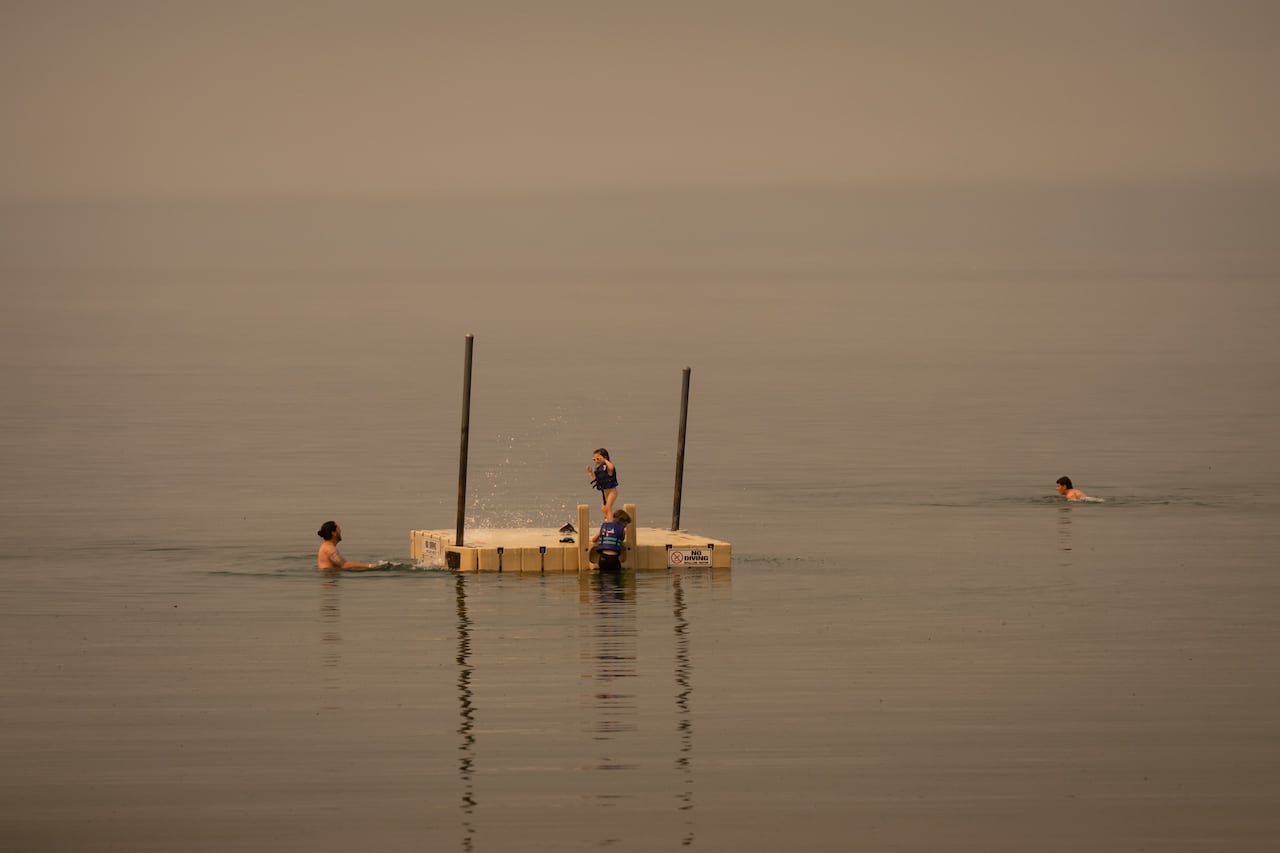
Individuals enjoy recreational activities on Okanagan Lake amid smoky conditions caused by the nearby Bald Range wildfire earlier this summer. (Ben Nelms/CBC)
Bourbonnais pointed out that much of the province’s previous wildfire risk evaluations have centered on existing or historical conditions.
He stated that researchers still lack a comprehensive understanding of how a worst-case wildfire scenario could impact the hydrology of a large, forested watershed.
“So it’s not about planning for now; it’s about planning for the future,” he emphasized.
Reducing fire risk without harming water supplies
The research will also help pinpoint areas where forest thinning, harvesting, and prescribed burning could mitigate wildfire risks.
However, these wildfire management strategies bring their own set of challenges.
“If we are going to implement forestry practices, or utilize prescribed and cultural burns, that will also impact hydrology,” Bourbonnais noted.
“Therefore, it’s about finding a balance between these two considerations.”
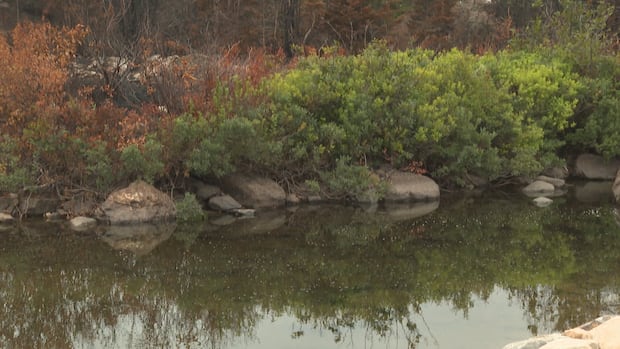
Gray, who has been involved in Kimberley’s wildfire mitigation efforts for approximately two decades, stated that the modeling will aid in determining where these mitigation strategies should be implemented and the extent of work required.
He emphasized the necessity for careful planning to prevent increased erosion, sediment buildup, or surges in water flow.
“Our approach to harvesting needs to be very deliberate,” Gray remarked.
-
Wildfires threaten water quality in some B.C. communities
-
Upstream wildfires could contaminate Calgary’s drinking water — so the city’s planning ahead
The project is anticipated to span around two years.
The Columbia Basin Trust is contributing $300,000, while the city will cover the remaining $100,000.
The outcomes of this research will inform future wildfire management efforts and offer planning resources that other communities may utilize.
“The danger of inaction is greater than the risk of taking proactive measures,” Bourbonnais stated.