
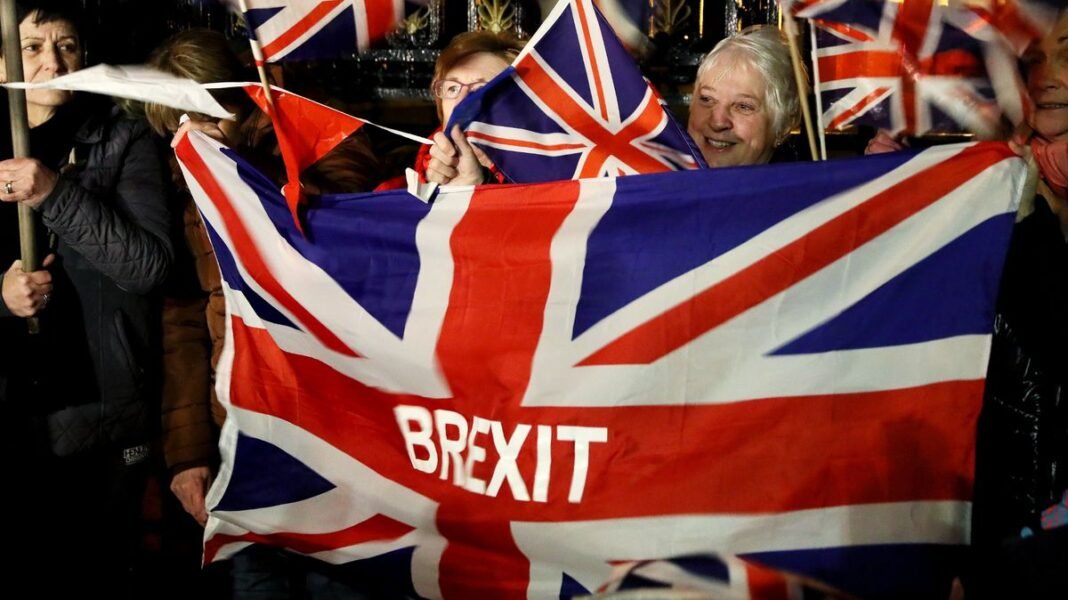

Brexit’s sixth anniversary marks a pivotal moment for Britain, as the decision to leave the European Union continues to have far-reaching negative consequences. The economic, political, and social fallout from this self-imposed crisis has dealt a staggering blow of £140 billion to the UK economy, exposing the false promises of prosperity made by those who championed Brexit.
Against the backdrop of a tumultuous global landscape, with Donald Trump’s antagonistic stance and the rise of authoritarian powers like China, the case for rejoining the EU becomes increasingly compelling. Keir Starmer, recognizing the shifting dynamics, is advocating for closer ties with European allies to safeguard Britain’s future interests.
As public opinion veers towards regret over Brexit, prominent Cabinet Ministers are urging for the dismantling of trade barriers and a more proactive approach towards rejoining the EU. This sentiment is echoed by a growing number of citizens, signaling a potential shift in attitudes towards Brexit.
Embracing a pro-European stance not only aligns Labour with popular sentiment but also shields the party from attacks by rival political factions. By shedding light on the economic repercussions of Brexit and advocating for a return to the EU, Labour can position itself for a policy overhaul in future elections.
The narrative surrounding Brexit betrayal is refuted, with the true culprits being those who misled the public during the referendum. Amidst external efforts to weaken Britain, Labour’s steadfast commitment to rejoining the EU stands as a beacon of truth and resilience in the face of adversity.
As Brexit’s anniversary serves as a stark reminder of the economic damage incurred, the imperative of rejoining the EU emerges as a viable solution to mitigate the ongoing repercussions.