
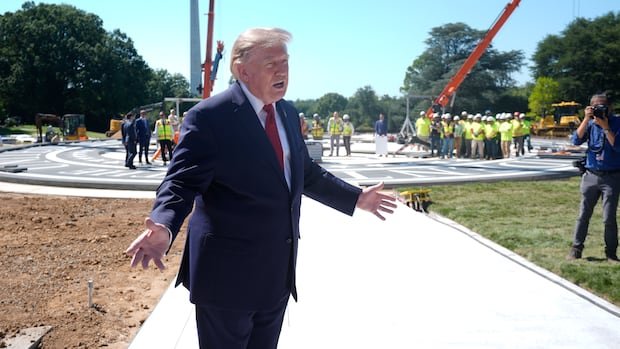

Canada and the United States are in the final stages of negotiating a trade agreement. The deal is expected to involve a reduction in U.S. tariffs on Canadian goods by President Donald Trump, in exchange for the reintroduction of American liquor in provincial stores and other potential concessions.
Prime Minister Mark Carney has briefed provincial leaders on the broad outlines of the agreement, emphasizing its focus on supporting sectors affected by tariffs. While specific details remain confidential, sources indicate that U.S. tariffs on Canadian steel and aluminum could be reduced from 50% to 25%, with discussions ongoing regarding derivatives and exemptions.
Additionally, the agreement may include a decrease in the tariff rate on Canadian-made cars and trucks from 25% to 15%. The integrated nature of the North American auto market means that vehicles assembled in Canada often contain a significant percentage of U.S.-manufactured components, potentially leading to a reduced effective tariff rate.
Following the briefing, Saskatchewan Premier Scott Moe commended the progress made in the negotiations, describing the potential deal as a “best-in-class trade agreement” that would offer favorable market access. Nova Scotia Premier Tim Houston also expressed optimism about the agreement, highlighting the preservation of Canada’s supply management system and beneficial defense procurement provisions.
Both leaders acknowledged the necessity of adapting to the changing trade landscape, particularly in light of President Trump’s protectionist stance. Carney emphasized the importance of securing a deal that maximizes U.S. market access for Canadian businesses while maintaining a commitment to strengthening the domestic economy and expanding international partnerships.
The negotiations have focused on addressing challenges faced by key sectors such as steel, aluminum, autos, and lumber, which have been burdened by high tariffs. The U.S. has offered to lower these rates as part of the negotiations, with efforts to reach a mutually beneficial agreement ongoing.
The potential trade deal has garnered support from industry stakeholders, with calls for swift action to provide certainty to businesses. Candace Laing, CEO of the Canadian Chamber of Commerce, emphasized the need for a signed interim deal to ensure stability and expedite the process.