
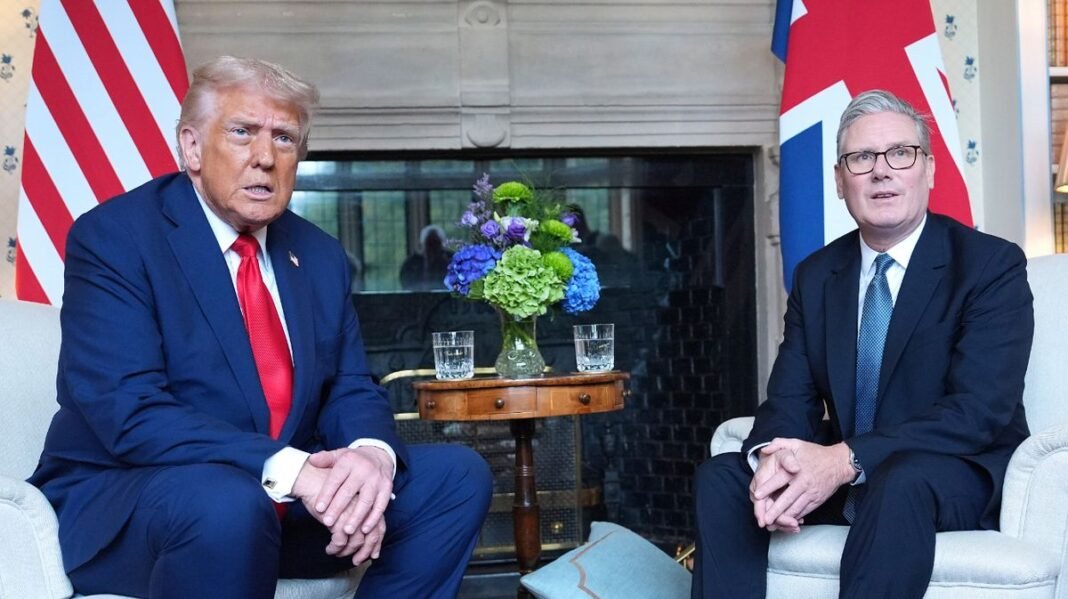

Donald Trump appears taken aback by the lack of support from America’s allies regarding Iran, but this response shouldn’t come as a surprise. The recent events leading to this point have been building up for some time.
To summarize, Trump’s actions in bombing Iran lacked a clear plan for the repercussions, particularly the potential impact on the global economy through threats to the vital Strait of Hormuz, a crucial passage for oil and gas shipments.
Confronted with the challenges of a prolonged conflict and the inability to secure a swift victory, Trump sought assistance from other nations to address the situation he initiated. However, the international community’s response to his call for help was a resounding rejection.
The reluctance of other countries to intervene stems from concerns about public perception and a fundamental misunderstanding of Trump’s approach in his second term. Despite the common portrayal of him as a “transactional” leader, the reality is different. Trump’s actions prioritize his personal interests, administration agenda, and legacy, rather than seeking mutually beneficial agreements—a dynamic that leans more towards extortion than transactional diplomacy.
Moreover, Trump’s reliance on threats of violence or severe financial penalties to secure concessions has further strained his standing on the global stage. The recent loss of his favored tool, tariffs, due to legal challenges has weakened his leverage in international dealings.
Additionally, Trump’s overconfidence, fueled by past actions like the sudden involvement in Venezuela, led him to believe he could act with impunity on the world stage. This hubris, akin to a false sense of invincibility, played a role in his misjudgment of the consequences of potential military actions, such as against Iran.
In essence, Trump’s inflated ego and misplaced confidence have clashed with the reality of geopolitical complexities, resulting in a situation where his ambitions exceed his strategic capabilities.