
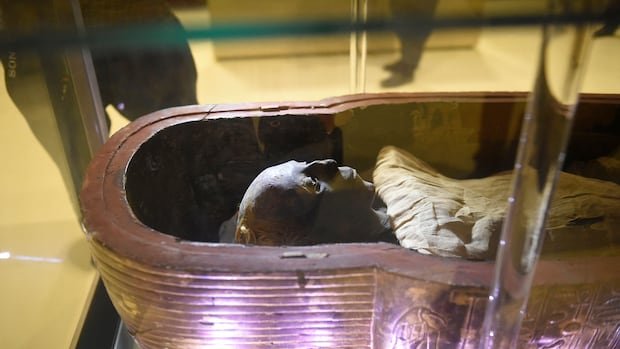

While not commonly associated with typical delivery packages, researchers have highlighted the existence of a global online market for preserved human remains, emphasizing the potential health risks associated with this niche interest.
A recent study, led by Kirsty Squires, a bioarchaeology professor at the University of Staffordshire, examined 128 online posts from 2015 to 2025 showcasing the sale of preserved remains from humans and animals.
The study revealed a prevalence of mummified body parts, such as heads, hands, and feet, being advertised for sale.
Experts caution that these preserved remains can harbor dormant microorganisms like bacteria, fungi, and yeast, which may pose health concerns if not handled properly. However, some specialists believe that collectors who are knowledgeable in handling such items should not face significant risks.
Best Practices for Handling Mummified Remains
According to Squires, many online images displayed visible signs of decay in the remains, often attributed to inadequate storage conditions.
Unlike museums, which carefully control temperature and humidity to preserve mummies, storing these remains in unregulated environments like homes or garages can lead to the release of fungal spores or bacteria when handled.
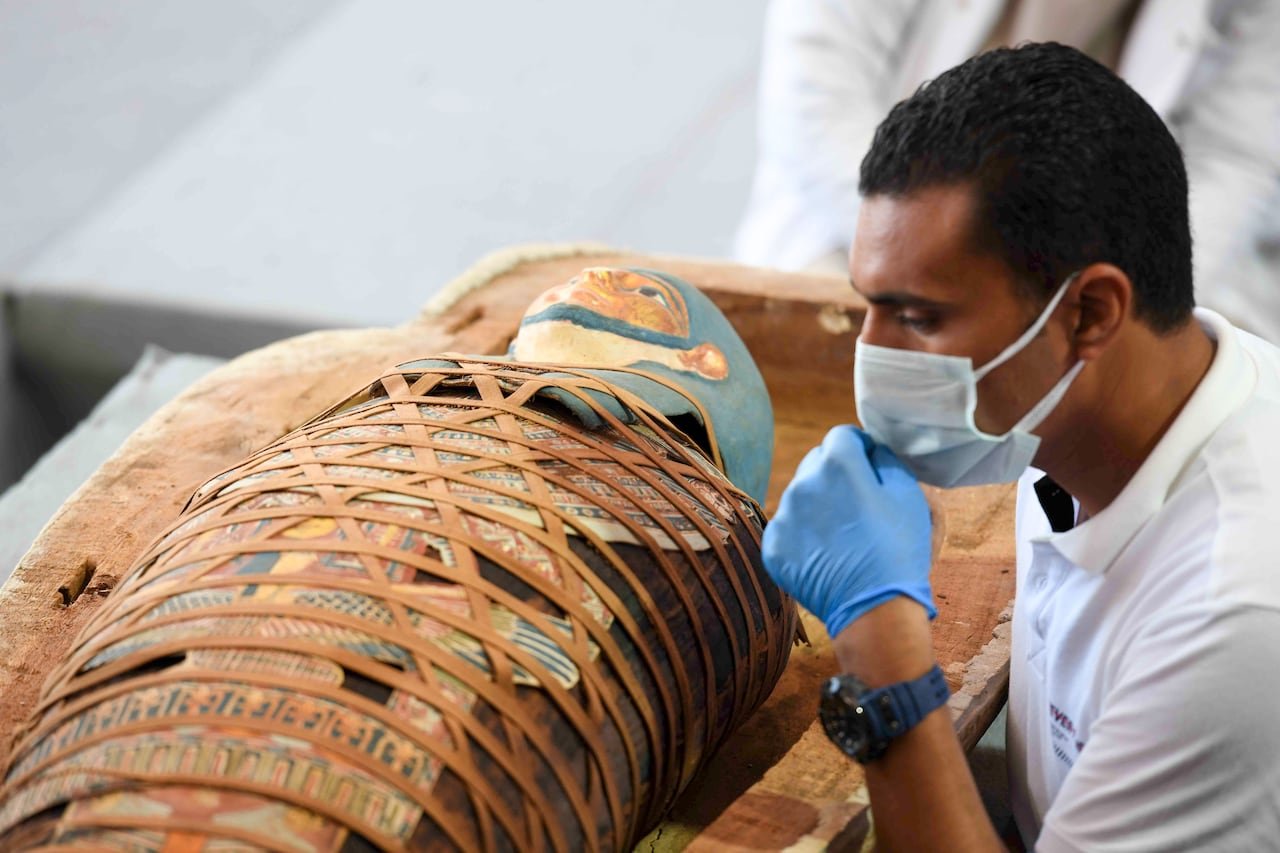
For her research, Squires emphasizes the importance of using protective equipment when handling human remains, especially for immunocompromised individuals who may be at higher risk of exposure to airborne microorganisms.
Additionally, some mummified body parts may contain traces of hazardous chemicals like arsenic and mercury from embalming fluids used in the past, posing further health risks.
Historical Incidents and Concerns
Although the study did not document specific cases of individuals falling ill from handling such remains bought online, historical incidents have demonstrated the potential dangers. For instance, conservation scientists in 1973 tragically died after inhaling mould spores while working on a 15th-century tomb.
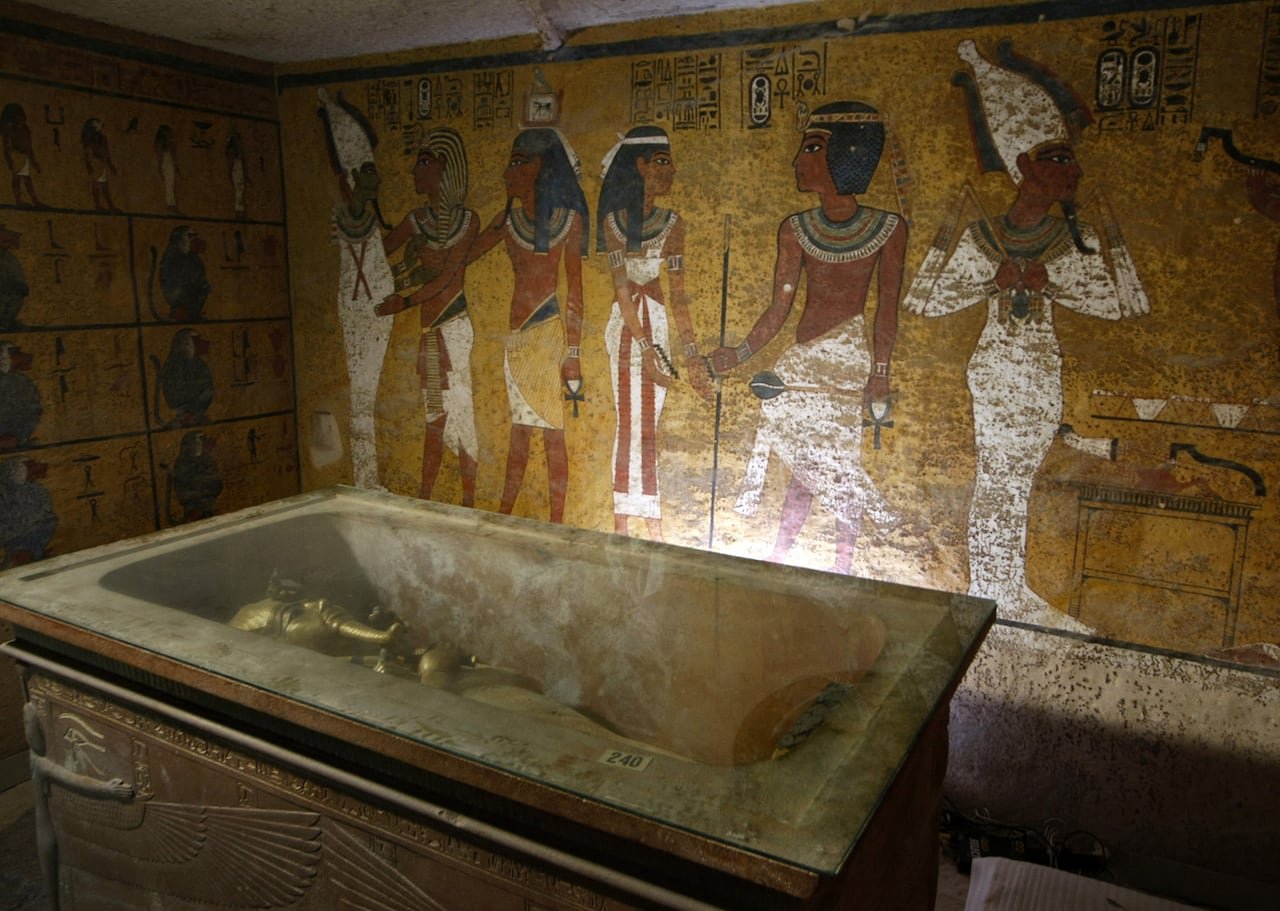
There have also been speculations linking airborne fungal spores to the death of Lord Carnarvon in 1923, who funded the Tutankhamun expedition and passed away shortly after entering the burial chamber.
James Scott, a public health professor, suggests that ethical concerns surrounding the trade of human remains may be more pressing than the potential health risks highlighted in the study.
He believes that with proper handling and storage, the health hazards associated with mummified remains can be minimized for collectors.
Insights into Canada’s Market for Mummified Remains
Among the online posts analyzed, eleven originated from individuals in Canada, reflecting the presence of a market for such items in the country.
Shawn Graham, a digital archaeology expert at Carleton University, notes the ease of finding sellers of human remains in Canada and highlights the lack of meaningful regulations governing their sale and purchase.
While some shipping agencies in Canada have restrictions on transporting human remains, the lack of stringent oversight makes it possible for sellers to mislabel packages containing m