

WARNING: This article contains details about violence against children and attempted suicide.
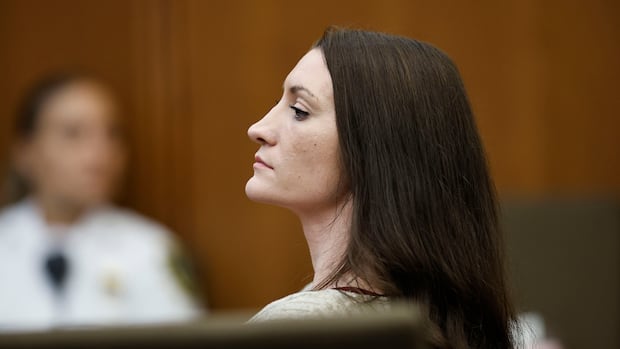
The testimony phase wrapped up on Wednesday in the murder trial of Lindsay Clancy, a mother charged with the strangulation of her three young children, an incident that has highlighted issues surrounding postpartum mental health.
Closing arguments are anticipated to commence on Thursday, paving the way for jury deliberations.
Clancy, aged 36, has pleaded not guilty due to a claimed lack of criminal responsibility, with her defense asserting that she was suffering from postpartum psychosis at the time she killed five-year-old Cora, three-year-old Dawson, and eight-month-old Callan Clancy in their Duxbury, Massachusetts home in January 2023.
This rare mental health condition is associated with the stress, sleep loss, and hormonal fluctuations that follow childbirth.
FBI forensic psychiatrist provides testimony
Prosecutors contend that Clancy premeditated the murders and was aware that her actions were wrong.
Clancy did not take the stand during the trial, which is now in its fifth week. The defense called ten witnesses, including friends and relatives of Clancy, while prosecutors summoned over 70 witnesses, among them her ex-husband.
As the final rebuttal witness for the prosecution, a forensic psychiatrist from the University of Virginia and a senior psychiatrist for the FBI’s Behavioral Analysis Unit testified on Wednesday, expressing skepticism about Clancy’s claim that a voice compelled her to kill her children.
Prosecutor Jennifer Sprague posed a series of questions to Dr. Gregory Saathoff regarding Clancy’s account: Did the voice specify how to kill the children? Where to do it? What tools to use? In what sequence? Saathoff responded negatively to each question.
“It is surprising that she was able to execute all of this without any instructions or plans,” he remarked.
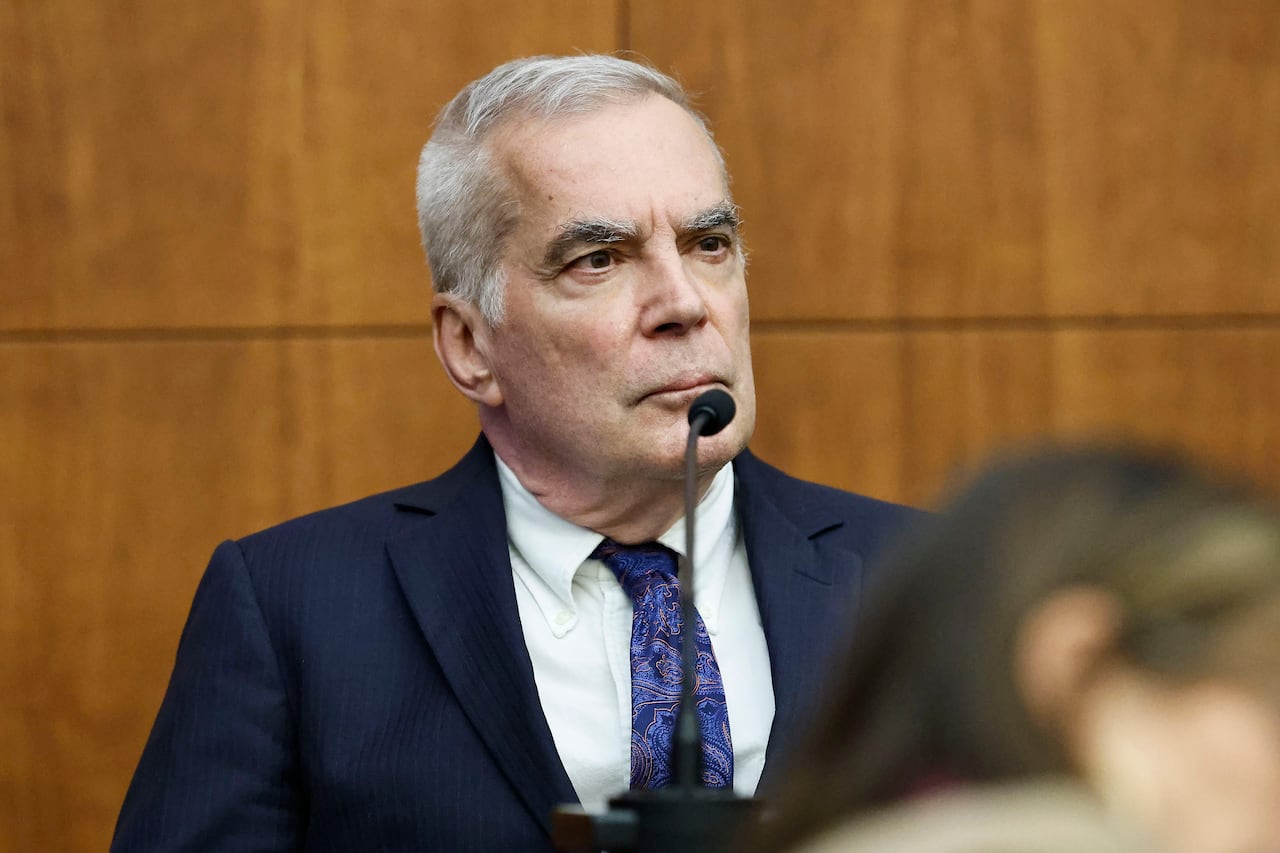
Forensic psychiatrist Dr. Gregory Saathoff was one of the final individuals called to testify in the trial. (Greg Derr/The Patriot Ledger/The Associated Press)
All three children were strangled with exercise bands in the family’s basement before Clancy attempted to take her own life while her husband was out picking up takeout and at a pharmacy on January 24, 2023. Saathoff indicated that her ability to carry out these actions without any guidance suggested that Clancy “had control over the sequence of her actions.”
“In the brief time Miss Clancy had alone in the home without her husband, it was crucial for her to act quickly and methodically to complete this, as well as her suicide,” he noted.
On Tuesday, Saathoff stated he found it peculiar that Clancy claimed the voice ceased once she finished strangling the children, that the voice was persistent rather than sporadic, and that she had never previously mentioned hearing a voice to her medical providers. He also pointed out that she provided inconsistent timelines to other evaluators about when she first heard the voice that day.
“Committing the act does not cure the voice,” Saathoff remarked regarding the sudden stop of the voice. “I have never witnessed that before.”
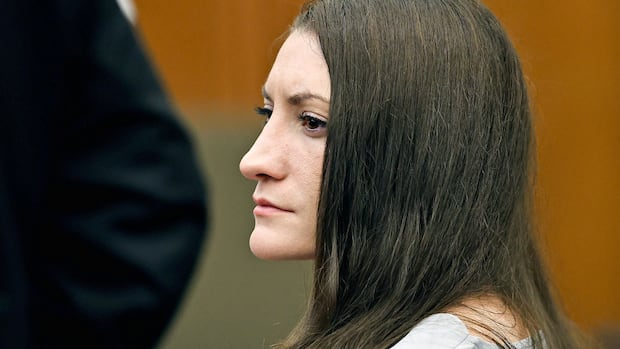
The online obsession with the Lindsay Clancy trial has turned a horrific tragedy into a frenzy of speculation, misinformation and conspiracy theories. For The National, CBC’s Ashley Fraser examines how social media’s insatiable appetite for the case both raises, and undermines, awareness about postpartum psychosis.
Scrutiny of psychiatrist’s qualifications in postpartum psychosis
Defense attorney Kevin Reddington initiated his cross-examination of Saathoff on Wednesday, aiming to question Saathoff’s credentials regarding postpartum psychosis and to depict him as closely affiliated with law enforcement, probing into his work with prisons, the Justice Department, and the Virginia attorney general’s office.
Saathoff stated that he had treated women suffering from postpartum psychosis during his tenure at a state hospital in the 1980s and 1990s, while his more recent research has largely concentrated on topics such as extremist violence, national security, and political radicalization.
Reddington also questioned Saathoff regarding Clancy’s online searches for postpartum depression information, her appointments with various maternal and mental health professionals, her disclosures to her mother and ex-husband about her suicidal thoughts and fears of harming her children, and her calls to a suicide hotline — all of which Reddington argued demonstrated Clancy’s awareness that something was seriously amiss and her genuine attempts over time to seek help.
Reddington inquired whether Saathoff believed that Clancy chose to kill her children because she “no longer liked the life she thought she wanted” and was making “a selfish choice” to “manipulate her providers, seek out a quick and easy fix when she was feeling depressed and anxious.”
“I think that statement you read really diminishes what she was experiencing,” Saathoff replied.
If you or someone you know is struggling, here’s where to look for help:
- Canada’sSuicide Crisis Helpline: Call or text 988.
- Provincial and territorialmental health support.
- Kids Help Phone: 1-800-668-6868. Text 686868. Live chat counselling onthe website.
- This guide from theCentre for Addiction and Mental Healthoutlines how to talk about suicide with someone you’re worried about.