
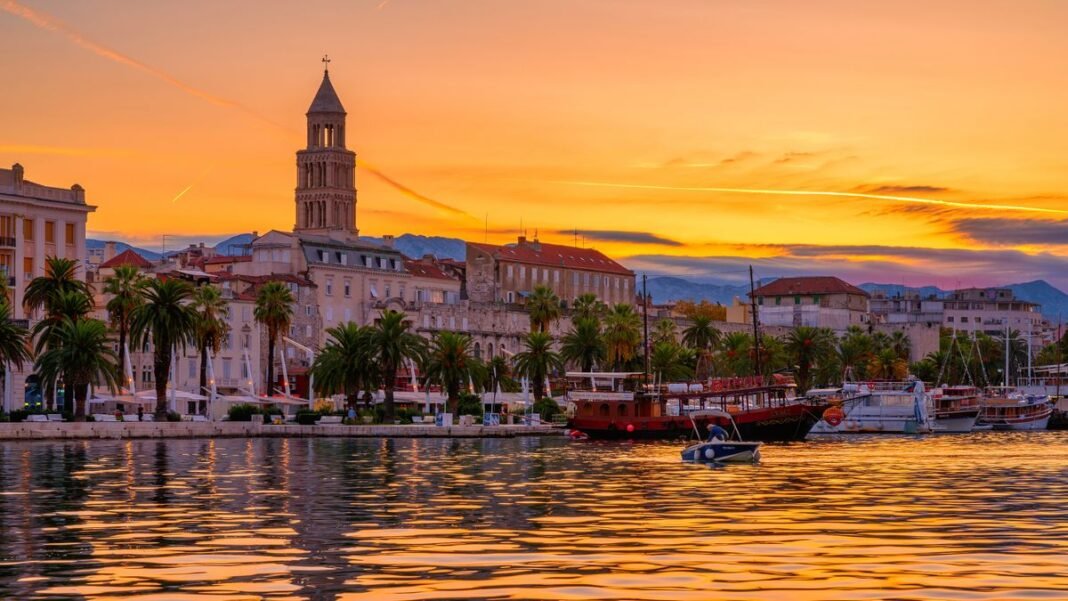

Split, a popular European city among British tourists, is implementing a strict alcohol ban. This ban, the first of its kind in Croatia, prohibits the sale of alcohol in shops and liquor stores after 8pm. Mayor Tomislav Šuta introduced this measure in response to disruptive incidents involving intoxicated visitors in the historic center.
Starting this summer, the new regulation, proposed by Mayor Šuta, will limit late-night alcohol sales in problematic areas of the city from 8pm to 6am. The city’s central district, known for its abundance of clubs, bars, and 24-hour shops, is identified as a key area of concern.
According to Šuta, the ban aims to address safety and quality of life issues for residents, particularly in areas where disturbances are prevalent. While the restrictions apply to grocery stores and liquor outlets, clubs and restaurants are exempt. Visitors can still enjoy alcoholic beverages in licensed establishments after 8pm.
Darijo Šarić, CEO of VIP Holiday Booker, expressed support for the ban, viewing it as part of a broader effort to reposition Croatian tourism. In his view, Croatia is shifting away from being solely a “party destination” and focusing more on its cultural heritage, natural beauty, and family-friendly atmosphere.
The measures are intended to promote responsible drinking and maintain a balanced approach to tourism. Split aims to offer visitors an unforgettable experience while ensuring that the city does not become a non-stop party hub. By encouraging responsible behavior and respecting local customs, tourists contribute to preserving Croatia as a safe and welcoming destination for all.
In line with efforts to address issues related to over-tourism and disruptive behavior, Hvar, known for its vibrant nightlife, has enforced strict summer noise restrictions. Similarly, Dubrovnik is taking steps to preserve its historic Old Town, implementing measures to manage tourist influx and maintain the city’s cultural integrity and appeal.