

U.S. President Donald Trump called on Americans to embrace slightly increased gasoline prices as a deterrent against Iran acquiring nuclear capabilities. He announced intentions to designate the Strait of Hormuz as U.S. territory. These statements highlight the political challenges Trump faces as rising fuel costs clash with his pledge to reduce energy expenses, a focal point for Democrats ahead of the November elections.
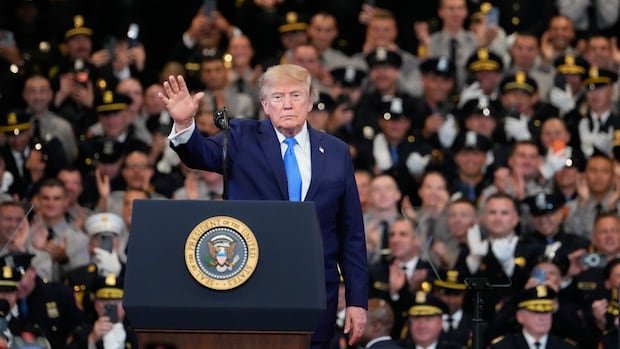
Addressing a crowd in Garden City, N.Y., Trump emphasized the importance of bearing a marginal uptick in gasoline expenses to prevent a “very evil country” from acquiring nuclear weapons. He defended his stance, asserting that the actions taken were in the best interest of global security.
Amidst escalating tensions, Trump vowed to maintain pressure on Iran, stating intentions to declare the Strait of Hormuz under U.S. control post the defeat of Iran. The global significance of the Strait, through which about 20% of the world’s oil and LNG shipments pass, has contributed to the recent surge in oil prices.
In response to Trump’s remarks, Iranian Deputy Foreign Minister Kazem Gharibabadi dismissed the notion of the strait being seized by external forces, reaffirming Iran’s authority over its operations. The uncertainty surrounding Trump’s declaration of the strait as U.S. territory raises questions about potential policy implications.
The Strait of Hormuz remains a critical focal point for global energy markets, with oil prices on the rise, nearing $90 US per barrel for Brent crude and around $4 US per gallon for U.S. gasoline prices. The geopolitical tensions continue to impact the energy sector, with implications for both domestic and international fuel prices.