
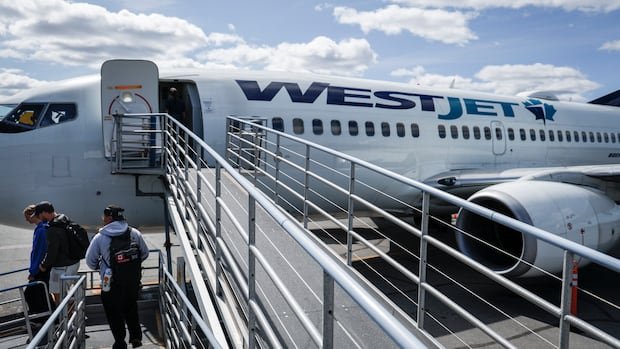

WestJet has agreed to settle a sexual harassment class-action lawsuit filed by over 3,000 flight attendants a decade ago by paying $4.5 million, as confirmed by the lead plaintiff and her attorney. The settlement terms, approved by a B.C. judge on Monday and finalized in June, were welcomed by WestJet in a statement expressing satisfaction with the resolution.
The lawsuit originated from former flight attendant Mandalena Lewis’s claim of a 2010 sexual assault by a pilot during a layover in Hawaii. In 2016, Lewis initiated legal action, leading other female employees to join, resulting in the case being certified as a class action by the B.C. Court of Appeal in 2022.
Allegations from the flight attendants pointed towards WestJet’s failure in maintaining a safe workplace with adequate anti-harassment measures. Despite expressing relief over the conclusion of the case, Lewis conveyed disappointment in not achieving what she considers “full justice,” citing the nominal settlement amount and WestJet’s non-admission of wrongdoing under the agreement.
Following deduction of expenses, including legal fees, the $4.5 million will be distributed among the 3,452 flight attendants involved, amounting to approximately $400 per individual. Lewis also mentioned a reduction in her agreed-upon honorarium from $20,000 to $10,000, emphasizing her mixed feelings about the outcome.
WestJet, in response to CBC News, reiterated its commitment to enhancing operations and training while prioritizing the safety and well-being of its employees, aiming to foster a culture of empowerment. As part of the settlement terms, WestJet will engage a third-party consultant to conduct a workplace assessment focusing on harassment prevalence, underreporting extent, and the enhancement of reporting and response systems.
Lewis described her involvement in supporting former flight attendants through their harassment experiences as a taxing ordeal, labeling the legal process as a “nightmare.” She highlighted the persisting issue of sexual assault and harassment in the airline industry, emphasizing the need for action to address these systemic challenges.
Additionally, Lewis revealed that her 2010 assault report to WestJet management and the RCMP led to charges by U.S. federal prosecutors in Maui against the pilot, who evaded arrest due to leaving the island. Subsequently, another flight attendant disclosed a similar incident involving the same pilot in 2008.
The class-action suit accused WestJet of breaching employment contracts by failing to implement an adequate anti-harassment program, a claim that the airline refuted. Compensation was based on the costs WestJet allegedly avoided by not having such a program, rather than compensating the flight attendants for their suffered harms.
Legal expert Joshua Coratti viewed the settlement as favorable for WestJet, noting its ability to avoid individual liability claims that could have been more financially burdensome. He highlighted the typical outcome of class-action lawsuits benefiting lawyers more than individual plaintiffs, emphasizing the potential impact on deterring companies from engaging in similar violations.