
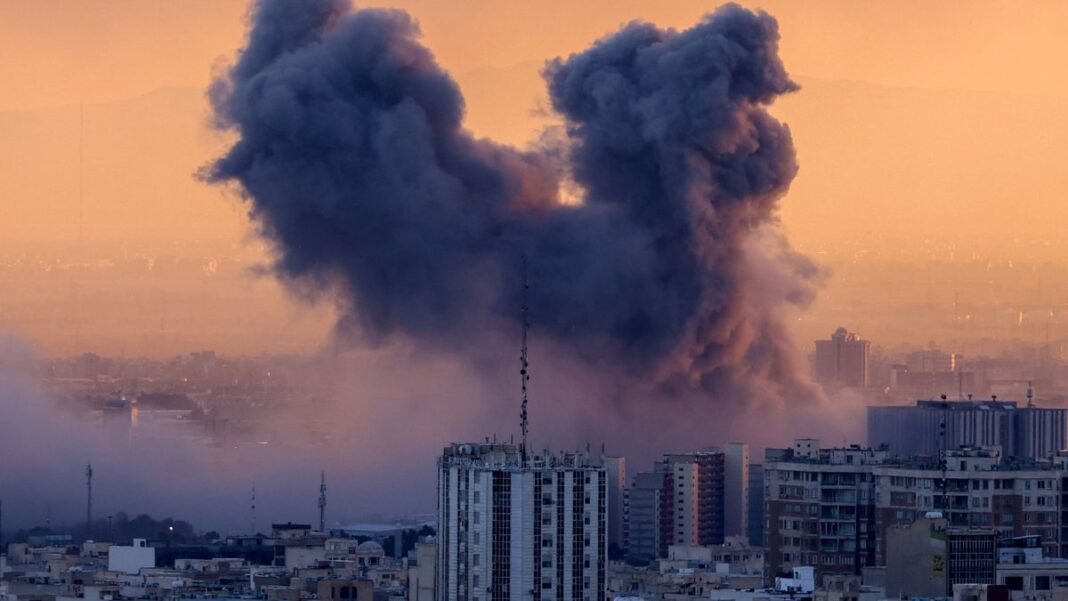

The potential crisis in the Middle East poses a threat to the nascent signs of economic recovery. Recent studies on consumer confidence indicate a modest improvement, suggesting a cautious optimism among workers regarding job security and financial prospects. However, the rapid escalation of events in the Middle East is causing global repercussions, raising concerns about a looming economic downturn.
The ongoing conflict, though geographically distant from the UK, has the potential to impact individuals worldwide. While it is premature to predict the full financial implications, the continuous barrage of missiles and escalating tensions hint at the possibility of another economic crisis on the horizon.
Many households, not just in Britain but globally, feel financially stagnant, reminiscent of the aftermath of the banking crisis and subsequent austerity measures. The recent uptick in petrol and diesel prices, attributed to rising oil costs, adds to their financial stress.
Moreover, borrowers who were anticipating reduced costs are now facing uncertainty, with talks of a Bank of England rate increase and lenders already hiking fixed-rate mortgage fees. The repercussions of the Middle East turmoil extend beyond financial markets, potentially leading to price hikes in daily essentials and imported goods, as well as increased travel expenses due to surging jet fuel prices.
The ripple effects of international events have once again disrupted government plans for economic stability. Despite efforts by Labour and Chancellor Rachel Reeves to stimulate growth and alleviate living expenses, the current crisis has derailed these initiatives.
As the situation unfolds, it is essential to contain the fallout to avoid further economic strain. The UK, still grappling with the aftermath of past crises and substantial national debt, is facing yet another challenge that requires careful navigation to protect its economy and citizens.