
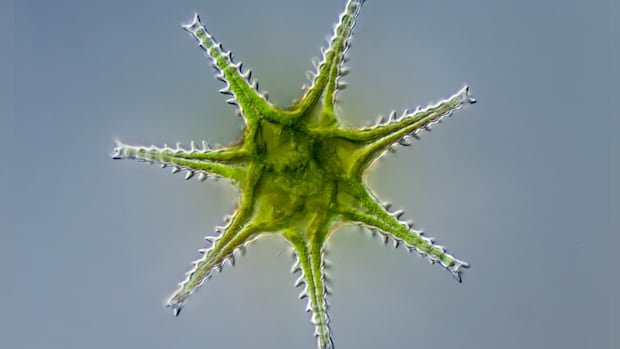

Researchers have discovered that when forests and wetlands are restored, some of the smallest inhabitants, such as mosses, lichens, algae, and fungi, often remain scarce or absent. While the regeneration of habitats can aid in the recovery of declining animal and plant species, recent studies reveal that not all species return at the same pace. Ellen Macdonald, a botanist at the University of Alberta, has dedicated her career to studying the intricate ecosystems within forests, focusing on the diverse array of tiny flora that thrive in these environments.
Macdonald’s research, combined with global data, has shed light on the lengthy recovery process for plants and animals in boreal forests post-clearcutting. Published in the journal Nature Sustainability, her study shows that while birch and aspen forests recover within 25 years, conifer forests take significantly longer. In conifer forests, understory plants like lichens, mosses, and liverworts can take 85 years or more to re-establish, with some species still missing even after a century.
Similar patterns of delayed recovery are observed in wetlands and other restored habitats, where seemingly healthy environments may lack various less conspicuous species. This phenomenon, known as “dark diversity,” represents a silent loss of species across different ecosystems worldwide. The absence of these species can have far-reaching consequences, impacting oxygen production, food availability, and overall ecosystem health.
In response to these findings, experts emphasize the importance of proactive conservation efforts to preserve biodiversity effectively. By understanding the intricate relationships between species and habitats, conservationists can develop strategies that support the long-term persistence of diverse ecosystems. This approach not only safeguards individual species but also promotes the resilience and sustainability of entire landscapes.
Efforts to protect and restore habitats, such as selectively harvesting conifer forests instead of clearcutting, can play a crucial role in preserving biodiversity. Furthermore, ongoing research into lesser-known species, like algae, underscores the need for comprehensive conservation measures to safeguard these essential components of ecosystems. By maintaining suitable habitats and actively intervening to prevent species loss, conservationists aim to ensure the continued existence of diverse plant and animal communities worldwide.