
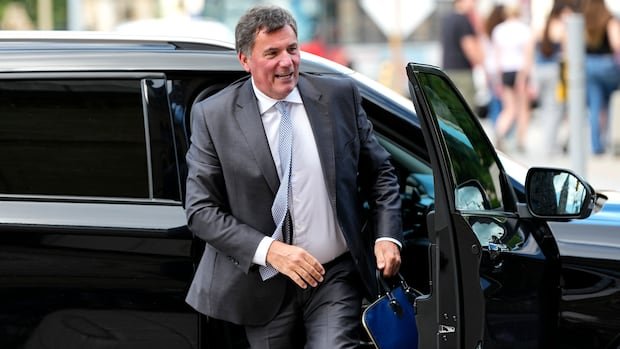

Canada’s Trade Minister Dominic LeBlanc recently engaged in an extensive meeting with U.S. officials in Washington, aiming to finalize an agreement that would alleviate tariffs on Canadian industries and reinstate American alcohol sales in provincial liquor stores. The negotiations, led by LeBlanc and U.S. trade official Jamieson Greer, have shown promising progress, although specific details remain undisclosed.
Reportedly, the forthcoming agreement includes a reduction in U.S. tariffs on Canadian steel and aluminum from 50% to 25%, with ongoing discussions on derivatives and exemptions. Additionally, a quota system will be implemented for steel imports at the lowered rate. The deal is expected to lower tariffs on Canadian-made vehicles from 25% to 15%, potentially decreasing the effective rate by up to 7.5%.
In return for these tariff adjustments, the U.S. is seeking the end of the liquor boycott in provincial stores and the removal of restrictions on American companies bidding for government contracts in Canada. These actions were retaliatory measures taken in response to Trump’s initial trade disputes, significantly impacting American alcohol sales and business opportunities in Canada.
While some premiers support the negotiation efforts, Manitoba Premier Wab Kinew expressed skepticism towards dealing with Trump, advocating for a more confrontational stance. Despite concerns, Kinew is willing to comply with requests to resume U.S. alcohol sales, acknowledging the complexities of the situation and the efforts made by negotiators like LeBlanc and Greer.
Other provincial leaders, such as Nova Scotia Premier Tim Houston and Quebec Premier Christine Fréchette, are engaging in discussions with Trade Minister Mark Carney to assess the potential impacts of the trade deal on their regions. Premier David Eby of British Columbia stands in solidarity with the federal government’s negotiation strategies, emphasizing the importance of diversifying trade partnerships and strengthening the Canadian economy for long-term resilience.
The ongoing negotiations highlight the complexities and challenges of international trade agreements, with various stakeholders navigating towards a mutually beneficial resolution.