
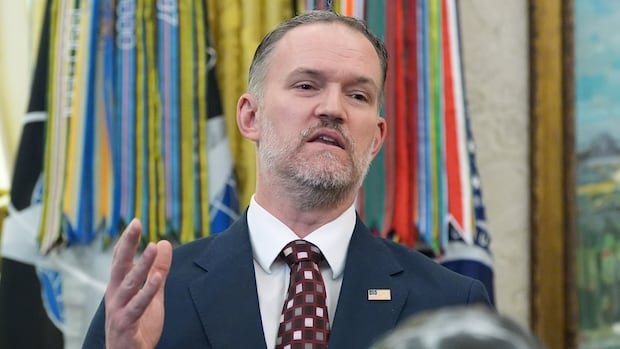

U.S. Trade Representative Jamieson Greer mentioned that both U.S. President Donald Trump and Prime Minister Mark Carney will receive “options” after recent trade discussions between Canadian and U.S. trade officials. Greer highlighted that the negotiations were progressing well based on the interactions during the meetings.
Following the talks, Canada-U.S. Trade Minister Dominic LeBlanc expressed his commitment to fulfilling the expectations of Canadians. He did not specify the exact number of upcoming meetings with Greer but emphasized their readiness to engage in discussions as needed.
Moreover, LeBlanc is scheduled to update the Advisory Committee on Canada-U.S. Economic Relations about the ongoing negotiations. This committee plays a crucial role in shaping Canada’s economic strategies concerning its relationship with the U.S.
During their meeting, LeBlanc and chief trade negotiator Janice Charette engaged with Greer for the second time this week and the fourth time in three weeks. This intensified dialogue follows Trump’s threat to impose significant tariffs on various Canadian goods, in addition to existing sectoral tariffs.
LeBlanc and Greer are currently collaborating on a proposal to present to President Trump ahead of the tariff deadline. The proposal aims to address sectoral tariffs and explore preferential access to Canadian critical minerals, touching upon security and energy concerns raised by the American side.
The Canadian officials are striving to offer concessions to address trade irritants, such as the removal of U.S. alcohol from Canadian stores and alleged discrimination against U.S. motor vehicles and dairy products. Industry sources indicate Canada’s willingness to make concessions, including lifting retaliatory tariffs on U.S. autos and considering adjustments in the dairy sector.
Ontario Premier Doug Ford expressed readiness to reintroduce U.S. alcohol on provincial shelves upon reaching a fair deal safeguarding Ontario’s key sectors. Ford emphasized that tariffs on Canada ultimately impact the American populace and urged a strong stance in the upcoming U.S. midterm elections against any bullying tactics.
Quebec Premier Christine Fréchette’s office echoed a similar sentiment regarding U.S. alcohol bans, emphasizing the province’s authority over the sale of alcohol and its commitment to fair negotiations before any policy changes are made.