

Canada’s initiative to construct a $267 million medical countermeasures laboratory in Winnipeg is a crucial step in preparing for future pandemics. However, experts highlight significant challenges related to sustained funding, staffing, and governance facing the facility.
The federal government recently awarded a $10.2 million design contract for the facility, which is set to be operational by 2033 adjacent to Winnipeg’s National Microbiology Laboratory (NML). While the laboratory aims to fill a crucial gap in testing early-stage vaccines, treatments, and diagnostic tools, health researchers emphasize the necessity of long-term investments in human resources to ensure its success.
Dr. Joanne Liu, a physician and professor at McGill University, stressed the importance of not only having a state-of-the-art building but also a skilled workforce to establish the facility as a world-class center for medical countermeasures. She emphasized the need to back up the infrastructure with tangible actions.
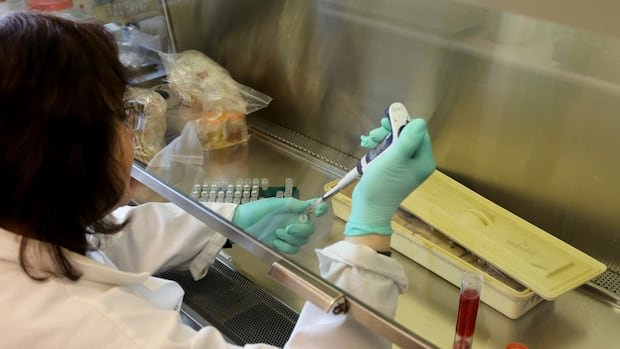
The laboratory is envisioned to enhance Canada’s capacity for preclinical trials, providing dedicated space for lab and animal testing within the country’s research and development pipeline. Presently, due to space limitations, the NML sometimes repurposes facilities designed for studying highly dangerous pathogens like Ebola for preclinical experiments.
Collaboration with industry and academic partners is anticipated, with appropriate agreements and screenings in place. Expanding Canada’s capabilities in preclinical research is considered essential by experts who have discussed the matter for over a decade.
Ensuring sustainable funding during non-crisis periods is crucial, as highlighted by McGill’s Dr. Liu. She emphasized the necessity of continuous investment in pandemic research, even when there is no immediate health threat, to maintain preparedness for future challenges.
Gary Kobinger, a former NML scientist and current director of the Level 4 Galveston National Laboratory at the University of Texas, emphasized the need for stability in long-term funding to advance medical countermeasures over the following years. He stressed the importance of committing resources to support the development of products over an extended period.
Concerns were raised about governance risks and potential bureaucratic hurdles that could impede the facility’s effectiveness. Kobinger cited past challenges faced during the development of the Ebola vaccine in Canada, emphasizing the need to streamline processes and avoid delays in operationalizing critical facilities.
The Public Health Agency of Canada (PHAC) defended its actions, pointing to significant federal investments aimed at revitalizing Canada’s life sciences sector. PHAC highlighted the establishment of Health Emergency Readiness Canada to facilitate collaboration between public health officials and private industry.
In conclusion, while the construction of the medical countermeasures lab represents a positive step, ensuring sustained funding, fostering a skilled workforce, and addressing governance risks are critical elements for its long-term success.