
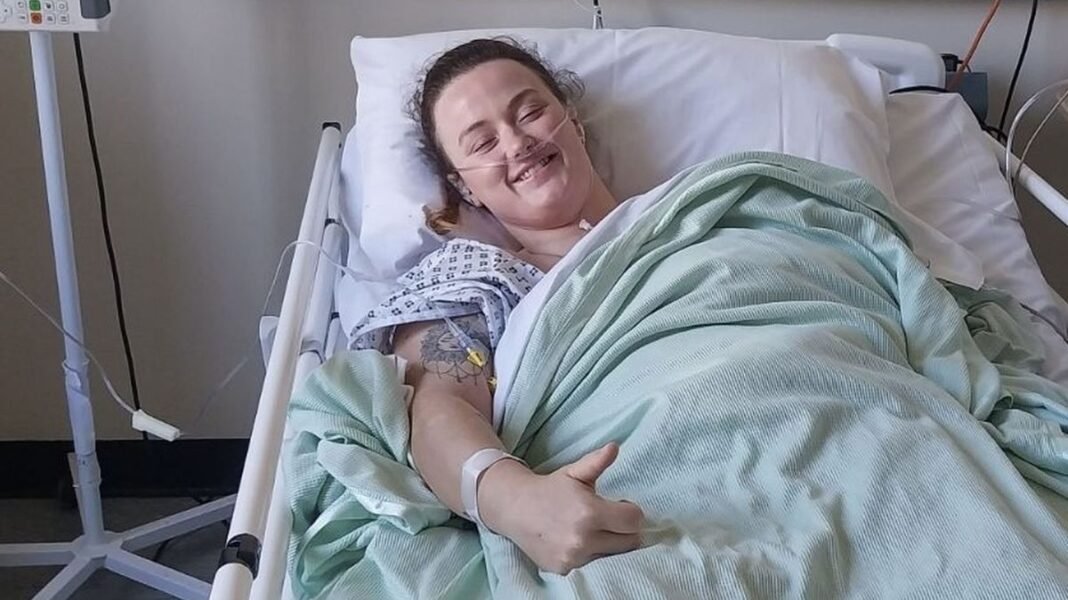

A woman working as an outdoor instructor revealed she was dismissed as being overly dramatic about her severe pain, which was initially misdiagnosed as sciatica on four occasions before doctors eventually discovered she was suffering from sepsis.
Skye Owen, aged 24, started experiencing hip pain following a strenuous weekend of hiking, surfing, and climbing in September 2024. Initially diagnosed with sciatica by her GP after complaining of hip and back pain, Skye was advised to rest at home. However, her condition worsened, prompting her parents to seek medical assistance from an out-of-hours doctor and the NHS helpline. Despite their concerns, healthcare providers continued to attribute her symptoms to sciatica.
Following her admission to a hospital in Cornwall for pain management, Skye developed a fever, and an MRI scan revealed septic arthritis in her left SI joint and hip, leading to sepsis. Skye’s medical consultant informed her that the infection was life-threatening and that if she had been discharged that day, she might not have survived. Skye, now in the process of recovery, is using her experience to raise awareness about sepsis symptoms and encourages individuals to advocate for their health.
After undergoing surgery to remove the infected tissue from her hip and receiving antibiotic treatment, Skye spent a month in the hospital before being discharged to recover at her parents’ home. Despite facing challenges with nerve damage during surgery and enduring lingering pain and mobility issues, Skye remains committed to ongoing medical monitoring and rehabilitation.
Reflecting on her ordeal, Skye emphasized the importance of trusting one’s instincts and advocating for oneself in healthcare settings. She encourages others to be proactive in seeking proper medical attention and not downplaying their symptoms, as early intervention can be critical in potentially life-threatening conditions like sepsis.
In response to Skye’s case, the NHS Cornwall and Isles of Scilly Integrated Care System highlighted efforts to enhance sepsis awareness and early detection through improved practices and patient support initiatives in GP surgeries and hospitals. These initiatives aim to expedite urgent reviews for patients with time-sensitive conditions like sepsis, emphasizing the system’s commitment to learning from patient experiences to enhance healthcare quality and safety.