
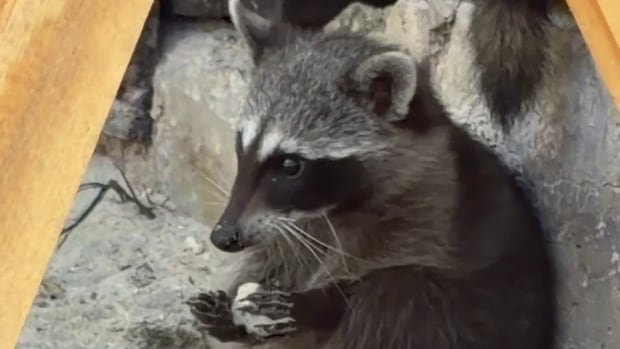

In an exclusive interview, biologist Nessie O’Neil shared her astonishment at witnessing endangered Mexican pygmy raccoons exhibiting a unique behavior of creating toy balls from trash. The biologist, based at Miami University in Ohio, initially found the behavior “adorable” before realizing its scientific significance.
The groundbreaking observation, now detailed in a published paper in the Wild journal, showcases these diminutive Mexican raccoons scavenging for paper scraps in bins and skillfully crafting them into playthings. This phenomenon marks the first documented instance of “material culture” within the Procyonidae family, which includes various raccoon species.
The study highlights how the pygmy raccoons engage in playful activities, contrasting with traditional toy interactions seen in animals like cats. As their natural habitat on Cozumel Island faces threats from development, these raccoons have adapted by foraging in tourist areas and garbage bins for survival.
During her fieldwork, O’Neil observed a raccoon family at a beach club, with one juvenile raccoon displaying the innovative behavior of forming a toy ball from a receipt retrieved from a trash can. The raccoon rolled, shaped, and played with the makeshift toy, showcasing a level of creativity and adaptive intelligence previously unseen in raccoons.
Moreover, the study noted instances of social learning within the raccoon family, as siblings imitated the toy-making behavior, highlighting a form of shared knowledge and skill acquisition among the animals. The raccoons’ playful interactions with the handmade balls further emphasize their cognitive abilities and social interactions.
While some experts hesitate to classify this behavior as a cultural practice due to the limited observations, the study underscores the urgent need to protect these critically endangered pygmy raccoons. With only around 200 individuals remaining, conservation efforts are crucial to safeguard their dwindling population from habitat loss and human-induced threats.
Through her research, O’Neil aims to raise awareness about the challenges facing pygmy raccoons and urges responsible tourism practices to preserve their natural habitat. By refraining from feeding these animals human food and supporting eco-friendly initiatives, individuals can contribute to the conservation of these unique and valuable species.