
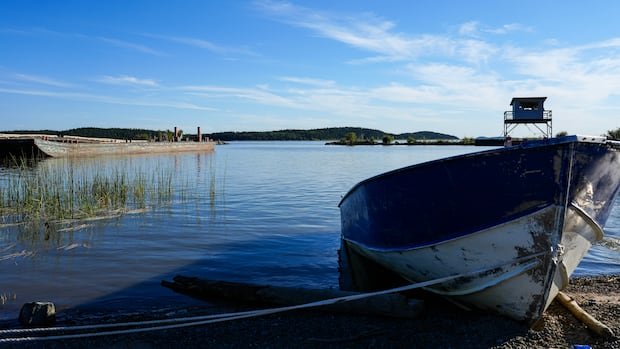

After continuous requests from local residents spanning more than 20 years, a federally funded investigation is set to commence to assess the health effects of the oilsands on Fort Chipewyan, an Indigenous community in northern Alberta. Concerns have been raised in the community, situated over 200 kilometers north of Fort McMurray, regarding potential connections between cancer cases in Fort Chipewyan and the industrial activities upstream along the Athabasca River.
The study will delve into existing and past health data, analyze local disease trends, and oversee the health of residents and the environment. It will also scrutinize how environmental transformations affect the community’s cultural heritage and daily routines.
Ruby Ladouceur, the president of the Fort Chipewyan Métis Nation, emphasized the importance of seeking clarity without assigning blame. The examination will be conducted by independent researchers under the supervision of the Métis Nation, the Athabasca Chipewyan First Nation (ACFN), and the Mikisew Cree First Nation (MCFN), with the federal government in an overseeing role.
Dubbed Project Monument Hill, the 10-year, $12 million endeavor was unveiled by the federal government in August 2024. The first funding installment was received in March for the project’s initial planning and governance phase. Ladouceur highlighted that the study will integrate both western scientific methods and Indigenous knowledge of the land to understand the interplay between environmental conditions, traditional land usage, and the well-being of the community.
Dr. John O’Connor, a vocal advocate for addressing cancer concerns in Fort Chipewyan since 2006, expressed satisfaction with the study’s initiation but voiced apprehension about the lengthy 10-year timeline.
Prior assessments of cancer rates in Fort Chipewyan have been criticized for overlooking residents who have relocated, including those seeking treatment elsewhere. Notably, a 2009 Alberta Cancer Board study revealed a 30% higher incidence of certain cancers in Fort Chipewyan compared to the rest of the province. Additionally, a 2014 study from the University of Manitoba identified hazardous levels of heavy metals and industrial pollutants in local flora and fauna.
Dr. James Talbot’s 2014 report, which found elevated rates of specific cancers in Fort Chipewyan, attributed the figures to lifestyle factors and a lack of medical resources, rather than industrial exposure. However, community leaders disputed these findings, advocating for a more thorough, long-term health investigation. Ladouceur underlined the significance of assessing the impact of environmental alterations on Indigenous health, rather than focusing solely on lifestyle aspects.
Limited accessible data regarding the correlation between cancer rates in Fort Chipewyan and oilsands-related environmental changes has posed challenges, according to Callie Davies-Flett. She emphasized the widespread community concern over this issue, echoing the sentiments shared by elders and community members about the pervasive impact on every individual in Fort Chipewyan.