
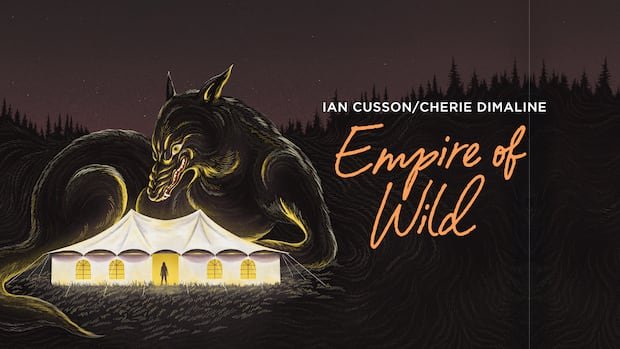

In Cherie Dimaline’s novel “Empire of Wild,” a trio of women spanning three generations endeavors to liberate their family member from the clutches of the werewolf-like Rogarou. Their quest aims to rescue a missing husband and safeguard their territory from corporate encroachment. This compelling narrative, recognized for its raw, alluring, and intense nature, claimed the top spot on Indigo’s 2019 book list, surpassing renowned titles such as Margaret Atwood’s “The Testaments” and Taylor Jenkins Reid’s “Daisy Jones & The Six.”
A substantial investment of approximately $4 million is underway to transform Dimaline’s work into an opera, led by an Indigenous creative team. The world premiere is scheduled for the upcoming spring in Toronto. This bold move seeks to attract a younger audience and opera newcomers, potentially challenging traditionalists inclined towards the classical repertoire.
The setting of “Empire of Wild” unfolds in the Georgian Bay Métis community of Penetanguishene, Ontario, where Dimaline and composer Ian Cusson, both hailing from the Métis community along Georgian Bay, drew inspiration. Cusson, after reading the book, found familiarity in the Rogarou from his mother’s tales, resonating with the characters and vernacular of his upbringing.
Cusson and Dimaline aimed to craft contemporary characters that modern audiences can relate to, incorporating elements like queer representation and the everyday struggles of a blue-collar family facing extraordinary circumstances. This innovative production is likened to a cinematic experience amplified, embracing darker, horror-infused themes that appeal to younger audiences seeking immersive entertainment.
Elisabeth St-Gelais, an Innu soprano portraying the lead role of Joan, emphasizes the relatable aspects of the story, highlighting Joan’s flawed coping mechanisms amidst personal turmoil. At its core, “Empire of Wild” delves into themes of power, resistance, and resilience, portraying a tale of intergenerational support along matrilineal lines against a backdrop of supernatural forces and industrial intrigue.
The narrative, rooted in Métis folklore, features a diverse cast including Indigenous talents like Marion Newman and Evan Korbut, embodying characters that resonate with shared experiences of survival and resistance. This narrative of “survivance” encapsulates Indigenous resilience in the face of colonial legacies, fostering cultural continuity and growth.
The opera’s creative team, including Cree designer Jeff Chief and Algonquin director Yvette Nolan, emphasizes an inclusive approach to artistic collaboration, valuing every individual’s contribution within a circle of creation. Cusson envisions this model as a blueprint for future opera productions, advocating for a widespread adoption of this inclusive and equitable creative process.