
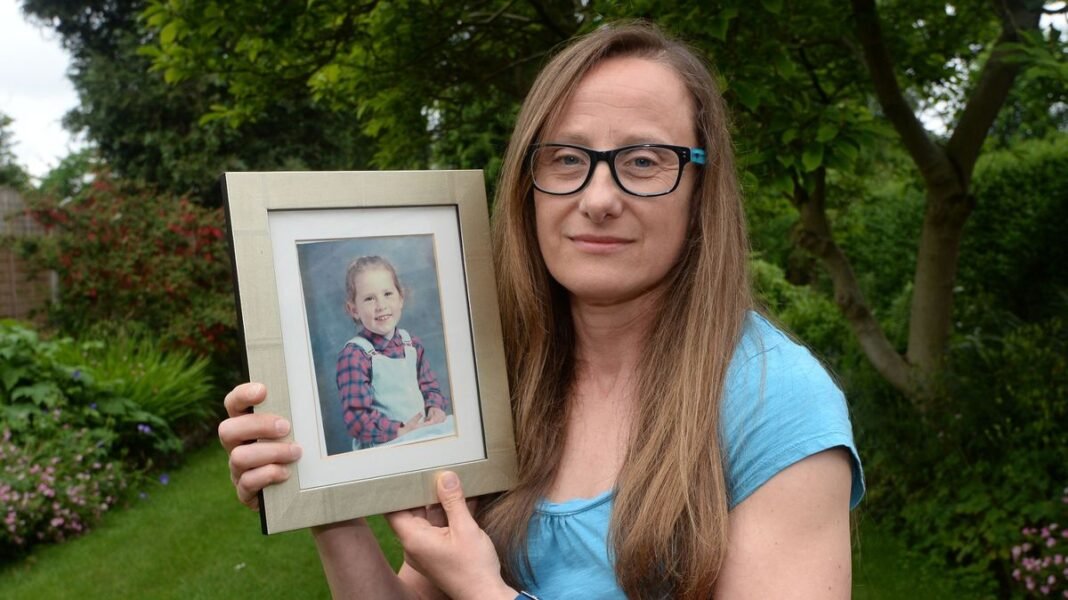

The mother of Heather Preen, who tragically passed away from e-coli contamination on a Devon beach in 1999, is urging a meeting with PM Sir Keir Starmer to address a pressing “sewage crisis.” Julie Maughan, resolute in her stance, vows to persevere until no other parent endures the same heartache she faces daily.
Recalling the devastating loss of her daughter, Julie recounted how eight-year-old Heather’s life was cut short by contaminated water, transforming their family from four to three during a holiday trip. This poignant family narrative is featured in the impactful Channel 4 series, Dirty Business.
During a family vacation in Dawlish, Devon, Heather fell ill while playing, following a recent storm pipe discharge into the sea. Despite Julie’s belief that raw sewage exposure caused Heather’s death, South West Water refuted any responsibility.
Expressing her frustration with water companies, Julie criticized the ongoing sewage discharges into water bodies, citing new data from Surfers Against Sewage revealing alarming sewage discharge hours in England. The Sunday Mirror highlighted hefty earnings of top water company executives amidst significant dividends, sparking further public concern.
The documentary Dirty Business also sheds light on Reuben Santer’s story, a teacher diagnosed with Ménière’s Disease after surfing in polluted waters. Surfers Against Sewage advocates for reform in the privatized water industry, denouncing the government’s current strategies as inadequate to safeguard public health.
In response, Surfers Against Sewage CEO, Giles Bristow, emphasized the human toll of polluted waters on individuals like Heather and Reuben, denouncing the prioritization of profits over public welfare. South West Water reiterated its position, emphasizing the inconclusive nature of investigations into Heather’s tragic death.
The government defended its efforts to enhance water quality, highlighting measures to hold water companies accountable. Long-term reforms aim to establish a new regulatory framework to prevent environmental hazards proactively.
As the debate on water pollution intensifies, the call for robust regulatory action and public accountability grows louder, echoing the sentiments of families impacted by these preventable tragedies.