

Over 2,000 individuals who were evacuated due to increased wildfire activity in northwestern Ontario in mid-July have now returned to their homes. However, as of Friday, around 829 people are still displaced, as reported by officials from Ontario’s Ministry of Emergency Preparedness and Response.
During this summer’s wildfire events, more than a dozen communities, predominantly First Nations settlements, were evacuated in the region. Tragically, two communities, Namaygoosisagagun First Nation (Collins First Nation) and Whitewater Lake First Nation, were completely destroyed.
Following a decrease in wildfire threats in the area, Kiashke Zaaging Anishinaabek (Gull Bay First Nation) officially ended its state of emergency from mid-July last Wednesday. The chief and council urged evacuees to come back home.
Chief Wilfred King of Gull Bay criticized the Ontario government for lifting wildfire implementation and evacuation orders around the community prematurely, stating that “our members are still at risk and our infrastructure is at risk.”
Although cautious about reduced forest fire risks, King, along with two band councillors, conducted an aerial assessment on Tuesday morning and noted improvements in the situation. He mentioned that the Ministry of Natural Resources assured proper monitoring of the fires’ west side, leading to increased confidence in the improved conditions.
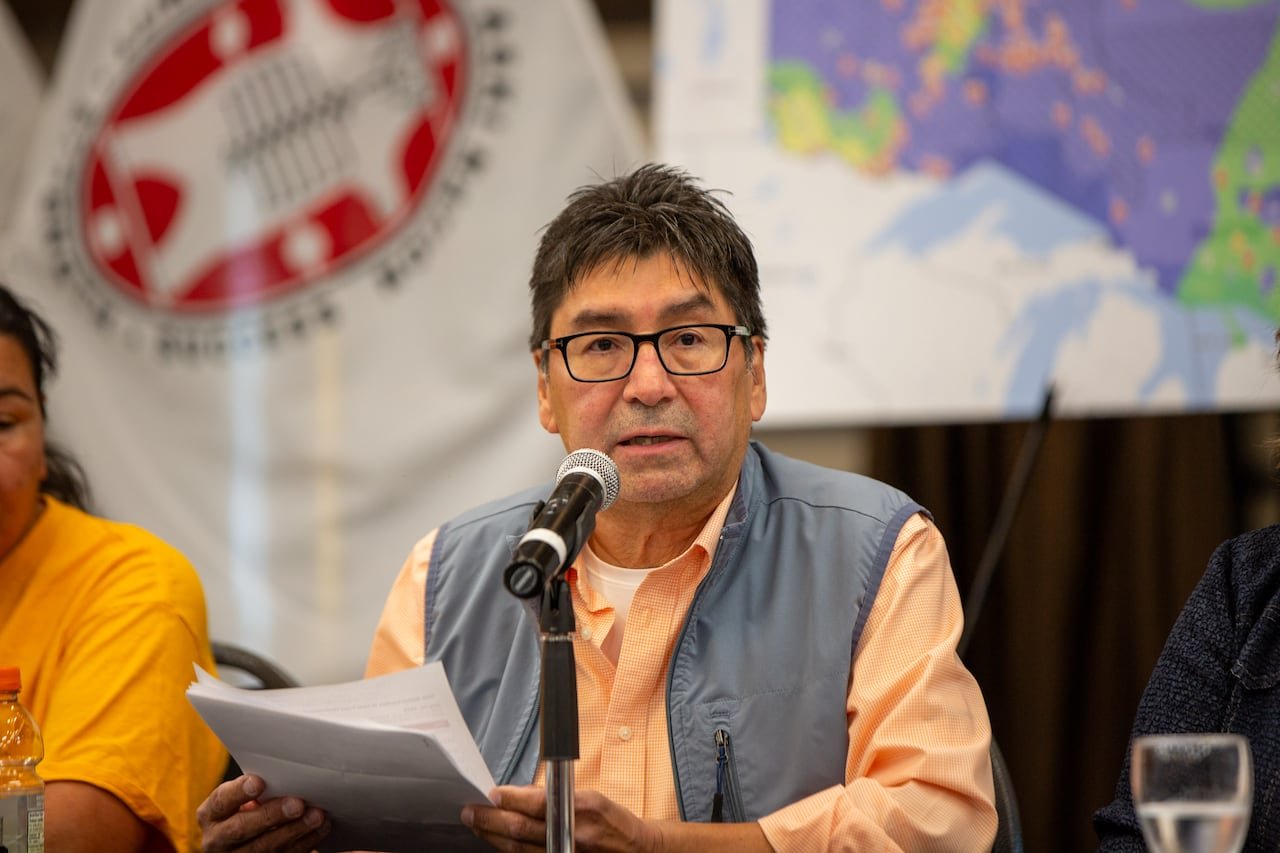
However, King continues to push for a public inquiry into the province’s wildfire response due to concerns regarding communication with First Nation leaders and insufficient emergency preparedness measures.
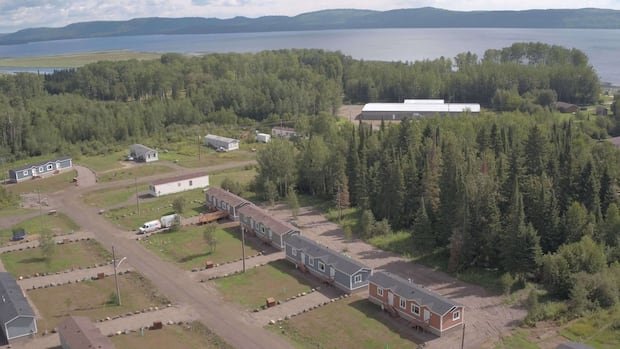
Located about 215 kilometers north of Thunder Bay, Gull Bay First Nation is a community of Ojibway descent with approximately 370 residents. Although road access to Gull Bay has been restored, Highway 527 between Kopka River and Armstrong, alongside a significant section of Highway 811, remains closed due to nearby wildfires.
Ontario is currently battling nearly 140 wildfires, with a majority concentrated in the northwest region. Notable fires close to Gull Bay First Nation include Thunder Bay 36, Dryden 34, Dryden 35, and Thunder Bay 56, collectively known as the Rinker Lake Complex.
Firefighting efforts are ongoing, with FireRanger crews from Manitoba, Nova Scotia, Ontario, and soon Mexico contributing to suppression activities across the Rinker Lake Wildland Fire Complex. The situation is described as having low fire activity within the complex.
Wildfire risks vary from low to high in different parts of the region, with high-risk areas primarily in the Kenora and Dryden fire management sectors.
Despite the successful return of nearly all evacuees from Gull Bay, Chief King emphasized the importance of remaining vigilant until the official end of the wildfire season on October 31. The community is prepared to evacuate again if necessary.