
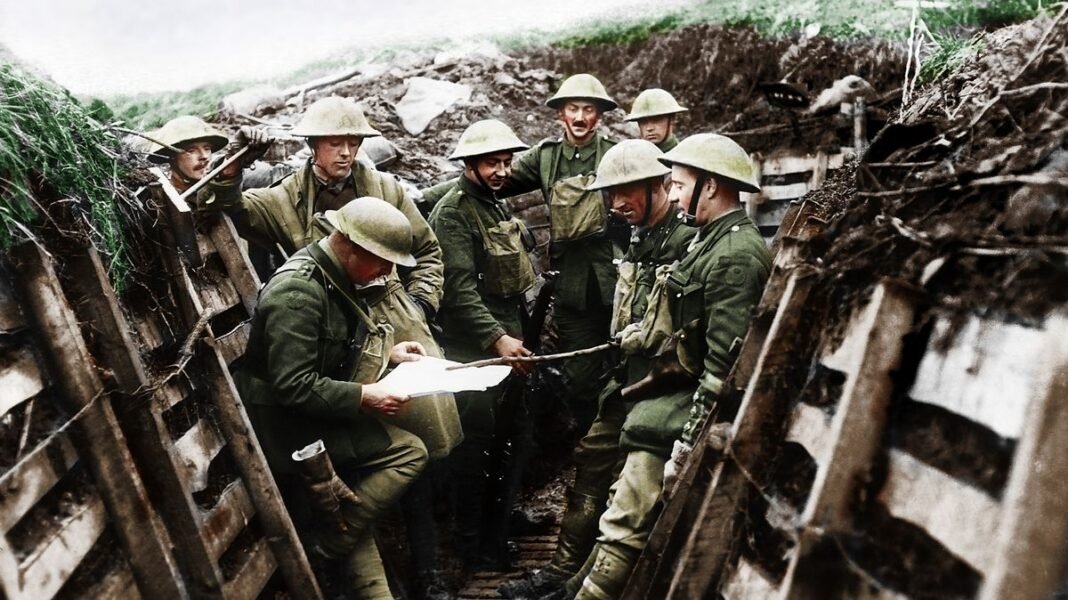

On this day, we honor the memory of those who selflessly gave their lives in various conflicts worldwide, particularly the young soldiers who fought in the significant world wars. The First World War marked a pivotal moment in global warfare, as technological advancements reshaped traditional combat methods, leading to extensive and brutal battles on both sides for an extended period.
During the intense conflict, British soldiers stationed on the front lines were acutely aware of the high likelihood of not returning home. Many soldiers, foreseeing their fate, took proactive measures to ensure their identification in case of fatal injuries amid the chaos of warfare.
Facing the uncertainty of recognizable remains after the intense combat in No Man’s Land, soldiers adopted a unique practice to mark their bodies for identification. By engraving their names or service numbers onto metal spoons and securing them in their boots or puttees, they sought to leave a lasting mark for potential identification.
The use of puttees, which were fabric strips wrapped around the lower leg and over the boots, served the dual purpose of preventing water, mud, and dirt from entering the footwear and providing ankle support to the soldiers navigating the treacherous terrains of war.
The initiative to engrave identifying information on spoons reflected the soldiers’ grim acknowledgment of the risks they faced in battle and the potential challenges in identifying fallen comrades in the aftermath of intense fighting.
The First World War, spanning from July 28, 1914, to November 11, 1918, resulted in the loss of over 8.8 million military personnel, including 1.35 million British and Irish soldiers, along with six million civilians, over the course of four years, three months, and 14 days of relentless conflict.
As we commemorate Remembrance Sunday, we pay tribute to the bravery and sacrifice of individuals from the UK and Commonwealth nations who served in various historical conflicts. In 2025, the 80th anniversary of the end of World War Two holds particular significance, underscoring the enduring impact of past conflicts on our collective memory.
The upcoming Remembrance service at the Cenotaph, to be attended by dignitaries, military representatives, and veterans, will feature a two-minute silence at 11 am, followed by a wreath-laying ceremony and a march honoring the nearly 10,000 veterans organized by the Royal British Legion.