
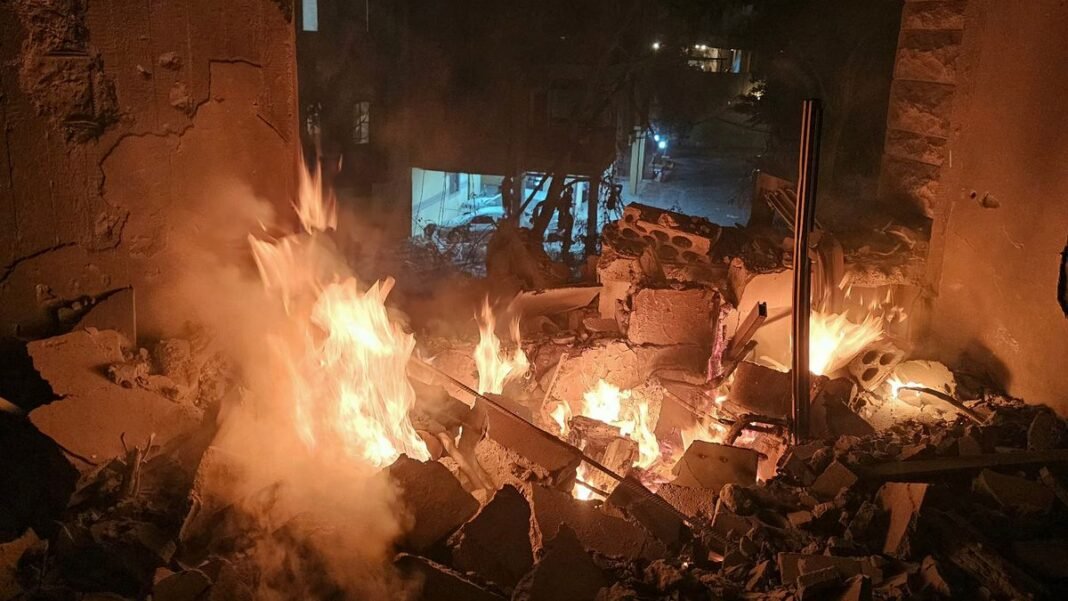

American and Israeli military strategists believed that eliminating Ayatollah Khamenei, Iran’s leader, would significantly weaken Tehran’s military capabilities. However, despite three days of intense bombing, US intelligence reports indicate that Tehran’s command and control system remains operational.
This development suggests that the US may have underestimated Iran’s resolve, leading to a potential prolonged conflict characterized by attrition warfare. President Donald Trump’s reliance on force and coercion may not yield the desired outcome in this scenario.
Unlike previous presidents who heeded intelligence assessments, Trump’s approach risks entangling the US in a protracted conflict. While Israel may prioritize eventual victory over the duration of the conflict, the US faces greater political and global ramifications.
US Defense Secretary Pete Hegseth’s assertion that the mission in Iran aims to neutralize its military assets and nuclear ambitions underscores the gravity of the situation. However, Iran’s strategy of attrition could strain US and Israeli defense capabilities over time, necessitating additional resources and deployments to the region.
The escalating military efforts could have economic repercussions, including a rise in oil prices, posing challenges for the global economy. The potential emergence of a moderate regime in Iran amidst the current turmoil raises concerns about internal power struggles and the risk of civil unrest in the region.