

WARNING: This article may be triggering for individuals who have faced sexual violence or are connected to someone who has.
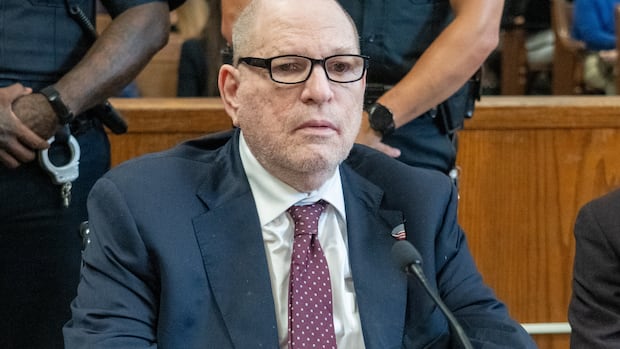
Harvey Weinstein has received a 15-year prison sentence following the overturning of his initial conviction and a retrial last year that resulted in a jury finding him guilty once more of a grave sexual offense.
Weinstein’s sentencing on Wednesday was for the sexual assault of former television production assistant Miriam Haley, marking the conclusion of a lengthy legal journey that has lasted over six years since his first conviction and sentencing in 2020.
In 2024, New York’s highest court invalidated Weinstein’s conviction and mandated a new trial, citing that the prior trial was biased due to testimonies from other women whose accusations were not included in the case.
In a retrial held last year, Weinstein was once again convicted of a first-degree criminal sex act for forcing Haley into a bedroom at his Manhattan apartment and sexually assaulting her in 2006. This charge carried a potential maximum sentence of 25 years.
Weinstein, who was first publicly accused of misconduct in 2017 and arrested in 2018, has already spent over six years in prison as his case has repeatedly cycled through the justice system.
He has consistently denied any allegations of rape or sexual assault.
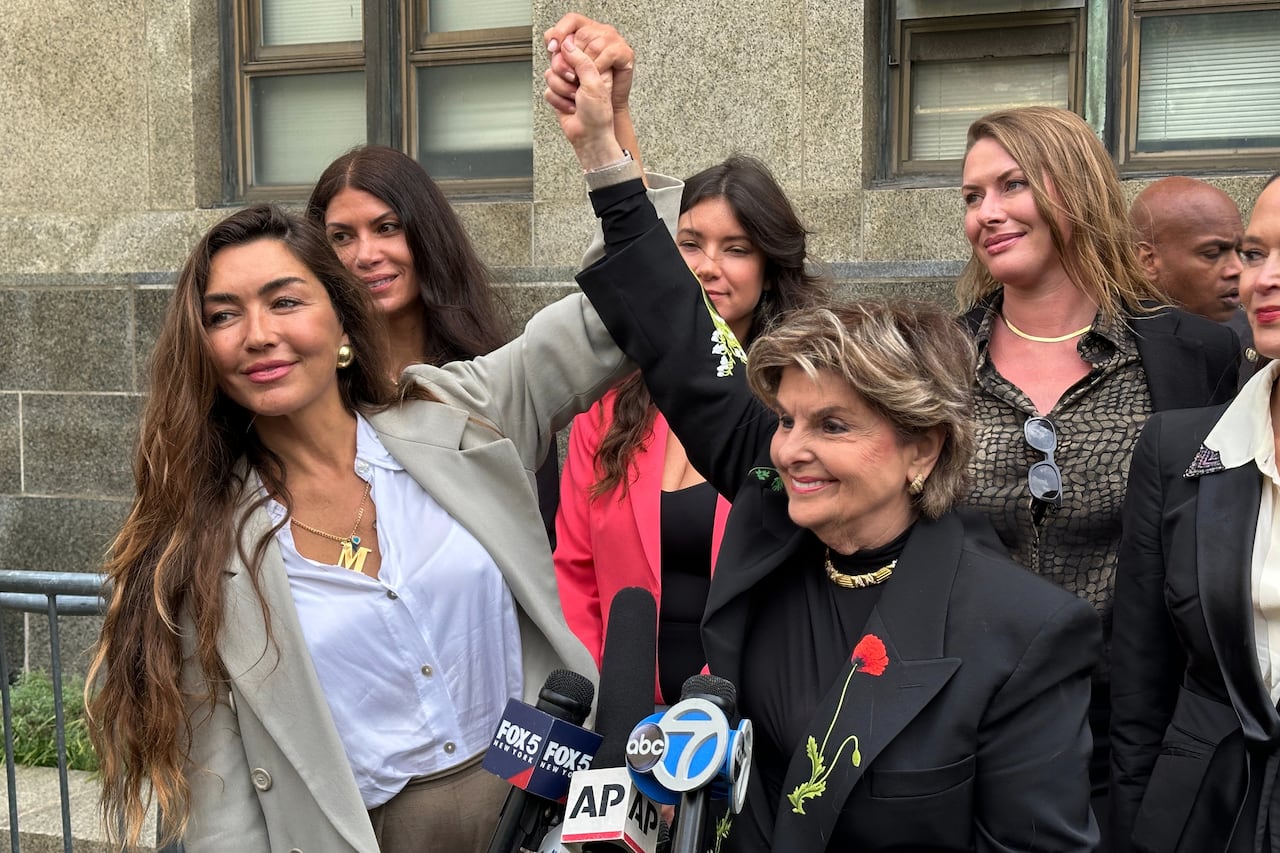
Miriam Haley, left, and her attorney Gloria Allred stand outside court on Wednesday after Weinstein was sentenced to 15 years in prison for sexually assaulting Haley in 2006. (Michael Sisak/The Associated Press)
Once considered one of the most influential individuals in Hollywood, Weinstein was an Oscar-winning producer known for films such as Shakespeare in Love, Pulp Fiction, and Chocolat. However, his rapid downfall began after sexual assault accusations in 2017 ignited the #MeToo movement.
At the age of 74, Weinstein is anticipated to file an appeal and is likely to remain incarcerated until he is in his late 80s. He was promptly taken out of the courtroom in a wheelchair after the sentencing, as some of his accusers embraced one another, wiping away tears.
A ‘devastating effect’
Haley recounted her experience of the assault during both trials and spoke to the court just before Weinstein was sentenced.
“Being sexually assaulted by Harvey Weinstein has had a devastating impact on my life and sense of safety that may never fully dissipate. The choice to speak out will have me constantly looking over my shoulder for years to come,” Haley stated. “It’s a life sentence for me.”
“I have endured additional trauma while exercising my right to seek accountability. All of this traces back to his actions,” she remarked, expressing that she had contemplated abandoning her quest for justice numerous times.
Shortly after, Weinstein expressed regret in court for those he may have harmed. “I do feel remorse for Miriam Haley’s suffering, but I must stress my innocence,” he told the judge.
Judge Curtis Farber noted that Weinstein was once a titan in the film industry, “yet the accolades for these accomplishments will pale in comparison to your actions.”
He stated that Weinstein is now recognized as “a sexual predator, the very embodiment of the MeToo movement.”
‘I will be proven innocent’
Originally, Weinstein was sentenced to 23 years in prison after a jury found him guilty of assaulting Haley and raping aspiring actress Jessica Mann in 2013.
In his second trial last year, he was again found guilty of a first-degree criminal sex act for assaulting Haley, who is also known as Mimi Haleyi. The jury delivered a mixed verdict, acquitting him of forcibly performing oral sex on another woman, Kaja Sokola, and failing to reach a conclusion on a rape charge involving Mann.
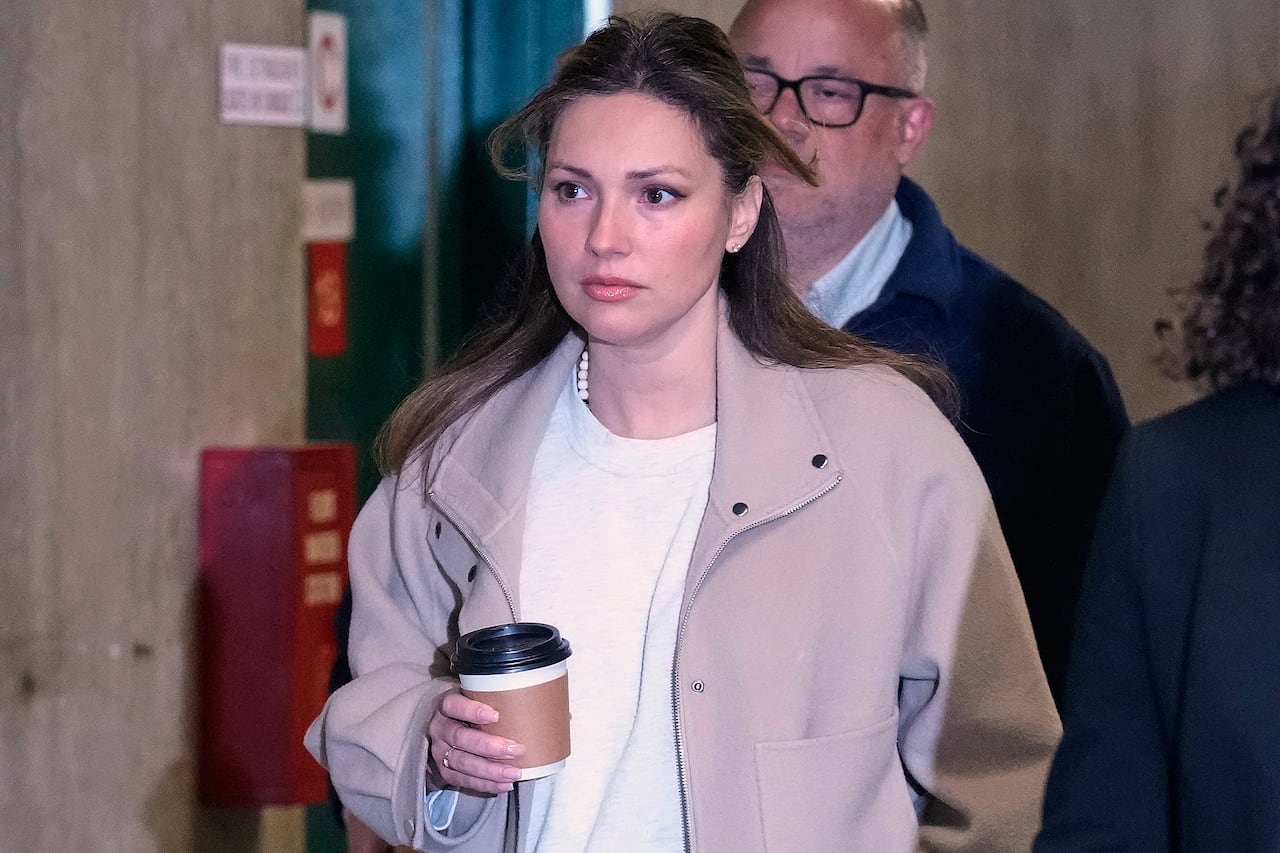
Jessica Mann arrives for Weinstein’s trial in New York on April 28. Last year, the jury was unable to reach a verdict on a rape charge against him involving Mann. (AP Photo/Richard Drew)
“I will be proven innocent. That is my promise to you,” Weinstein told The Hollywood Reporter in a jailhouse interview conducted in March.
Following another retrial that resulted in a hung jury in May, Manhattan prosecutors dismissed the rape charge instead of pursuing a fourth trial after Mann expressed her inability to testify again. This decision allowed for Weinstein’s sentencing to proceed.
Failing health
Defense attorney Jacob Kaplan requested that Weinstein receive an additional three-year sentence on top of the six years he has already served, arguing that a longer sentence would increase the likelihood of him dying in prison.
Kaplan indicated that Weinstein is in declining health and has been hospitalized six times since 2025, contending with blood cancer, congestive heart failure, and kidney issues.
Weinstein is also awaiting resentencing in a separate rape case in Los Angeles. A California appeals court confirmed the 2022 conviction but dismissed his initial 16-year sentence due to the judge’s consideration of his New York convictions—which were later invalidated—as an aggravating factor.
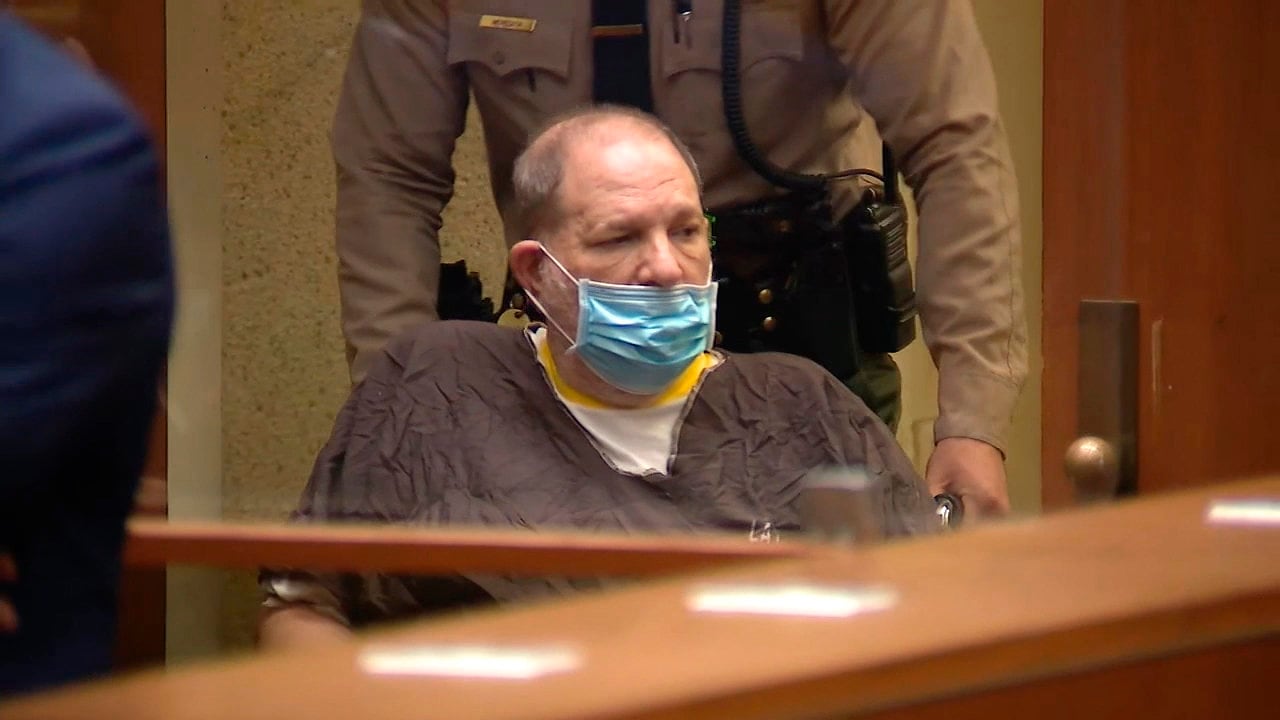
Weinstein arrives for an arraignment hearing on July 21, 2021, in Los Angeles, where he is awaiting sentencing on another rape conviction. (KABC/The Associated Press)
After being shifted between state prison—where he contracted COVID-19 early in the pandemic—and New York City’s infamous Rikers Island facility, the ailing Weinstein is currently located in a medical unit for inmates at Bellevue Hospital in Manhattan.
In recent years, his health complications have included chronic myeloid leukemia, diabetes, and difficulties with walking, according to his lawyers. Two years ago, he underwent emergency surgery to remove excess fluid from his heart and lungs.
-
FRONT BURNER
Weinstein conviction: a watershed moment for #MeToo?
-
#MeToo ‘is bigger than one man’: How the Harvey Weinstein trial impacts the movement
Haley, 49, is a former entertainment producer now engaged in advertising.
Originally from Finland and grown in Sweden, she indicated that she met Weinstein through a mutual acquaintance and briefly worked as a production assistant on a reality competition series he produced, Project Runway.
Haley mentioned that she accepted an invitation to visit Weinstein’s Manhattan apartment, feeling it would be inappropriate to decline since she was scheduled to fly to Los Angeles the following day at his company’s expense to attend a film premiere.
After a brief conversation on his living room sofa, she testified that Weinstein lunged to kiss her. She recounted jumping up to reject him, but he then forcibly backed her into a bedroom and assaulted her, disregarding her pleas for him to stop.
-
California appeals court upholds Weinstein’s rape conviction, orders resentencing
-
Harvey Weinstein trial begins, portraying ex-producer as predator
She recalled Weinstein asking, “Don’t you think we’re much closer now?” following either the alleged assault or a subsequent occasion when she indicated she had unwanted, though not forced, sexual relations with him.
She also remembered telling him after the second incident, “You know you can’t keep doing this.”
The Associated Press usually does not identify individuals who claim to be victims of sexual assault unless they provide consent, which Haley, Sokola, and Mann have granted.