
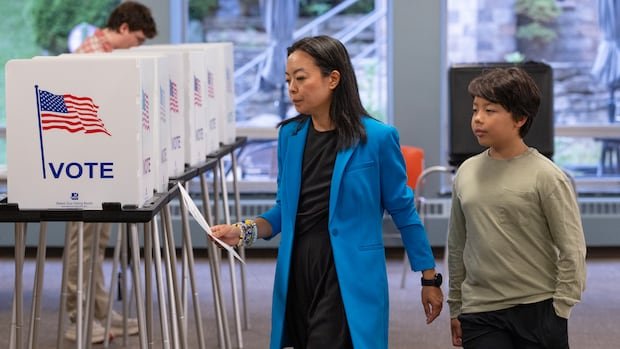

As the United States approaches the upcoming midterm elections, a challenging primary season has deepened the divide between the progressive and centrist factions within the Democratic Party. The outcome of these internal battles not only impacts the balance of power in Congress this November but also shapes the trajectory leading up to the 2028 presidential election.
Centrists advocate for candidates promoting moderate and practical policies as the key to flipping seats currently held by Republicans. In contrast, progressives argue that uninspiring establishment candidates are unlikely to mobilize a winning coalition comprising young people, the working class, and diverse voters necessary for the party’s success.
Hans Noel, an associate professor of Government at Georgetown University and co-director of the Georgetown Democracy Initiative, expressed uncertainty about which faction holds broader appeal. He noted that while progressive candidates may alienate some traditional Democratic voters, they also attract new voters, potentially expanding the party’s base.
The primary season, where Democratic voters select candidates for future general elections against Republicans, has seen victories and setbacks for both progressive and centrist contenders. In a recent primary in Wisconsin, Democratic voters narrowly favored moderate candidate David Crowley over progressive Francesca Hong, who faced criticism for past statements supporting defunding the police and abolishing ICE.
Progressive candidates like Abdul El-Sayed have secured wins in states like Michigan, campaigning on platforms such as medicare for all, campaign finance reform, and ending military aid to Israel. Despite facing significant opposition and campaign spending, El-Sayed’s victory underscores the growing influence of progressive voices within the party.
The success of progressive candidates has sparked debate within the Democratic Party about the best path forward. While progressives aim to energize the base with bold policies, moderate Democrats emphasize the importance of appealing to swing voters in crucial battleground states.
While the progressive wing reevaluates its messaging to avoid alienating potential supporters, moderates warn of the challenges of winning over swing voters. The ongoing internal debate reflects broader tensions within the party as it navigates competing visions for its future direction.
Despite these internal divisions, Democrats are poised to capitalize on favorable conditions heading into the midterms. With low approval ratings for former President Trump and discontent over recent military engagements, Democrats are optimistic about their prospects in the upcoming elections, regardless of whether progressive or centrist candidates prevail.