
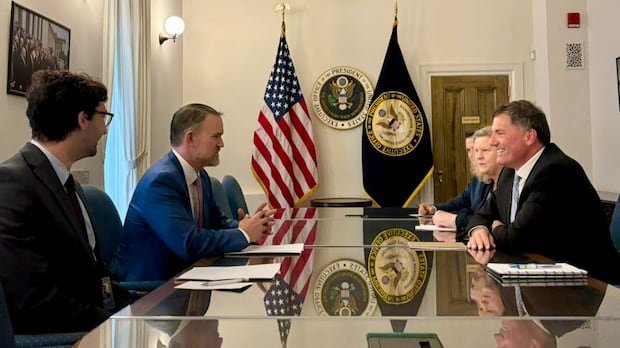

Canada and the U.S. are still at odds over a potential tariff deal as the deadline set by President Donald Trump approaches. Sources familiar with the trade negotiations revealed that a new offer from the U.S., presented on Tuesday, falls short of Canadian expectations in terms of reducing sectoral tariffs. Negotiators on both sides have been engaging in discussions to reach an agreement before the looming deadline of Aug. 19, which could see a significant increase in tariffs on Canadian goods.
The American proposal includes adjustments to certain tariffs but not to the extent desired by Canada. Key areas of interest for the U.S. in a potential deal involve securing access to critical minerals from Canada and addressing security and energy concerns. Canada’s Trade Minister, Dominic LeBlanc, has been actively involved in meetings with U.S. Trade Representative, Jamieson Greer, in an effort to present a viable trade agreement to President Trump.
It has been emphasized to the American counterparts that the implementation of the Aug. 19 tariffs would not sit well with the Canadian public, potentially halting further negotiations. Daily meetings at various levels have been scheduled leading up to the deadline to facilitate ongoing discussions.
Both LeBlanc and Canada’s chief trade negotiator, Janice Charette, have been pushing for relief from existing U.S. tariffs on Canadian steel, aluminum, lumber, and automobiles. Additionally, Canada is hopeful that the ongoing trade talks will result in the renewal of the Canada-U.S.-Mexico Agreement (CUSMA), which is set to expire in 2036 following the Trump administration’s decision not to extend it.
In response to the upcoming tariffs, the U.S. has raised concerns about various trade issues, including Canada’s countermeasures against U.S. trade policies, alleged discrimination against U.S. motor vehicles and dairy products. Conservative Leader Pierre Poilievre has urged Canadian officials to stand firm in negotiations, advocating for a comprehensive deal that includes zero tariffs on softwood lumber, an end to sectoral tariffs on steel and aluminum, a tariff-free auto pact, and exemptions to Buy America regulations.
Reports suggest that Canada is willing to address some U.S. demands, such as lifting alcohol bans, in exchange for tariff relief. The negotiations remain ongoing as officials continue to engage in discussions in Washington.