
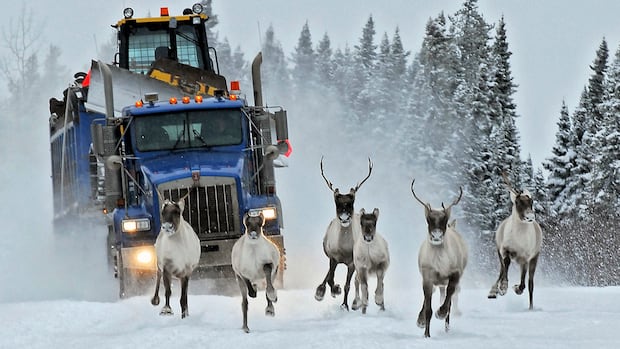

In Canada, a species may be classified as endangered yet remain in limbo for years as Ottawa deliberates on its protection, even as its habitat continues to evolve.
A recent study revealed that out of 288 species evaluated as at risk since 2017, only 17 made it to the Governor in Council—the federal cabinet responsible for final listing decisions—within the suggested timeframe. Additionally, 153 species, representing over half, were overdue and still awaiting decisions as of January 25, 2025.
This group includes populations of caribou, beluga whales, and lake sturgeon, which have been classified as endangered or threatened while they await decisions that could lead to habitat protections and the development of recovery plans.
Researchers attribute the delays to a gap within the Species at Risk Act (SARA). While Ottawa has set recommended timelines for advancing assessments, there is no legally binding deadline for a critical phase of the process.
The study does not provide reasons for the delays. Critics argue that this gap permits governments to defer making difficult decisions that balance conservation with economic interests.
Peter Thompson, a postdoctoral researcher in biology at Simon Fraser University in Burnaby, B.C., and the study’s lead author, noted that the government frequently fails to adhere to its own timelines.
“They recommended one to two years, yet they consistently miss that target,” he stated.
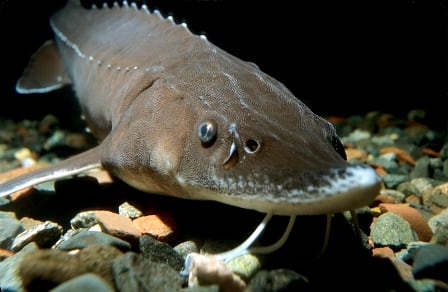
A lake sturgeon rests on the riverbed. The Saskatchewan-Nelson River population was designated as endangered in 2017 and has been waiting for a federal listing decision for years. (Eric Engbretson Underwater Photography/WWF-Canada)
The lake sturgeon population from the Saskatchewan-Nelson River serves as a case in point. This ancient species can live for over a century and reach lengths of up to three meters.
In 2017, COSEWIC, the independent scientific organization responsible for wildlife assessments, classified this population as endangered after witnessing a decline of approximately 90 percent since the 1960s. The study indicates that it missed a federal deadline for advancing its assessment on January 18, 2020, and has been awaiting further action five years later.
Thompson emphasized the urgency of the situation, as dams and hydro projects have disrupted waterways, preventing the fish from accessing essential areas.
“This hinders these species from migrating to necessary habitats for survival,” he remarked.
What protection is delayed
A scientific assessment from COSEWIC does not automatically alter a species’ legal status under SARA; that requires the federal government to officially list or reclassify the species.
Under the Species at Risk Act, the listing of an endangered or threatened species can initiate prohibitions against killing, harming, harassing, capturing, or taking it. Furthermore, the law mandates a recovery strategy that must identify critical habitats whenever feasible. Once such habitats are identified, SARA includes provisions that necessitate their protection.
These protections are particularly vital for aquatic species as SARA’s main prohibitions apply to them nationwide, whereas for most land species, they are generally restricted to federal lands.

Drew Yewchuk, a lawyer and doctoral researcher at UBC’s Peter A. Allard School of Law, states that a gap in the Species at Risk Act enables governments to delay difficult decisions regarding species protection. (Submitted by Drew Yewchuk)
Drew Yewchuk, a lawyer and doctoral researcher at the University of British Columbia’s Peter A. Allard School of Law, who was not involved in the study, indicated that habitat protection is one of the most significant tools provided by SARA.
“If animals lack habitat, they cannot survive,” he remarked.
SARA stipulates that the environment minister must publish a response within 90 days of receiving a COSEWIC assessment. After the assessment reaches the Governor in Council, it has nine months to make a decision. However, there is no defined deadline for the minister to submit the assessment to the Governor in Council.
“It could potentially remain stagnant indefinitely due to the absence of a timeline for that step,” Yewchuk explained.
Aquatic species were particularly highlighted in the study. None of the 15 marine mammals or 49 marine fish evaluated during the study period had been forwarded to the Governor in Council by the January 2025 deadline. Additionally, 90 percent of terrestrial mammals and 79 percent of freshwater fish were still waiting.
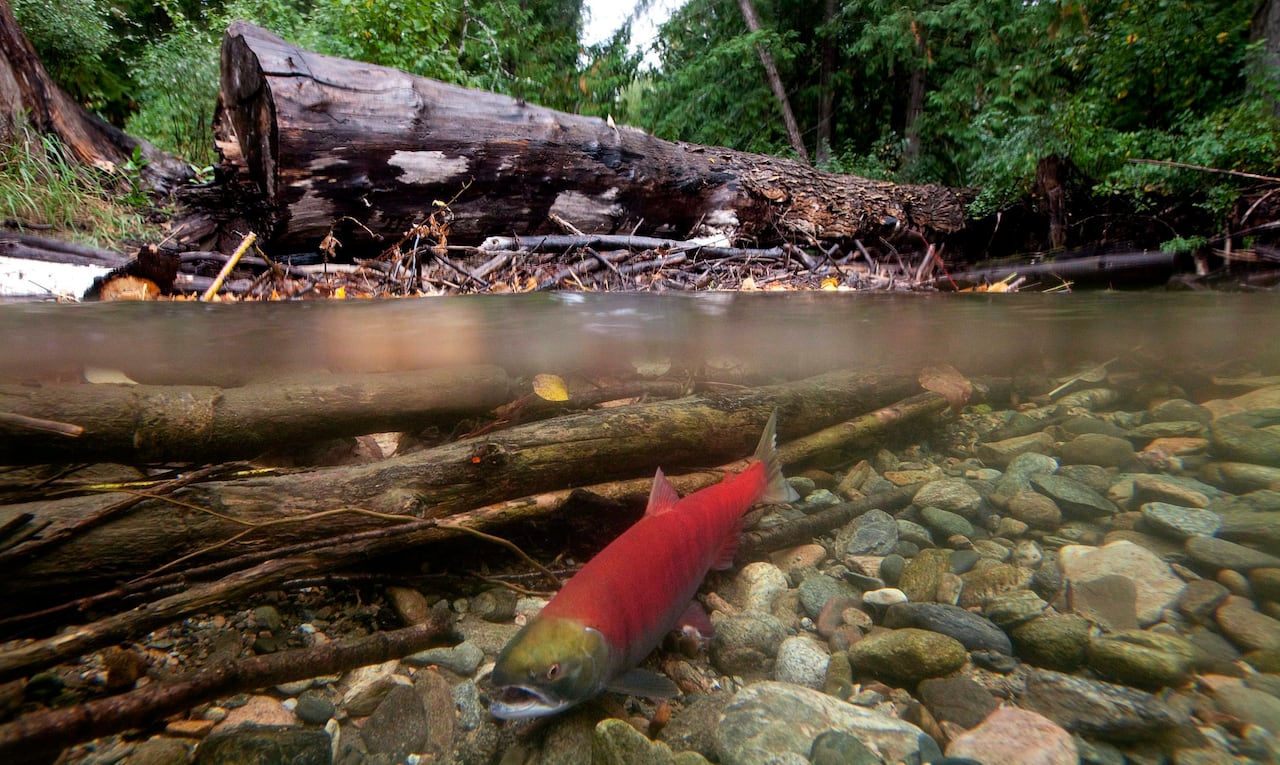
Spawning sockeye salmon are observed navigating the Adams River in Roderick Haig-Brown Provincial Park near Chase, B.C., in October 2011. Pacific salmon were among the aquatic species significantly impacted by federal listing delays identified in the study. (Jonathan Hayward/The Canadian Press)
More than biodiversity
Andrea Reid, a citizen of the Nisga’a Nation and Canada Research Chair in Indigenous Fisheries Science at the University of British Columbia, emphasized that the implications extend beyond the mere loss of individual species.
“These fish are intrinsically tied to our identity,” Reid stated. “It’s not solely about sustenance; it encompasses all systems of tradition, culture, and language.”
The study identified 38 Pacific salmon populations that have faced delays while the government continued to gather or analyze data. Information collection was the most frequently cited reason for delays examined by the researchers, followed by analysis. In 20 percent of instances where the government provided an entry, no specific reason was indicated.

Andrea Reid, a Nisga’a Nation citizen and Canada Research Chair in Indigenous Fisheries Science at the University of British Columbia, argues that Indigenous consultation should be integrated into the species-listing process rather than regarded as a cause of delay. (Talon Gillis)
Indigenous consultation was mentioned in some instances, but Reid cautioned against considering it a hindrance.
“It undoubtedly requires time. That is a reality, but it ought to be part of the planned process,” she noted.
Reid indicated that listing can be complex for Indigenous communities, as restrictions may raise worries about ongoing access to culturally significant species.
“We require adequate protection for species, but we also need to preserve our cultural connection,” she stated.
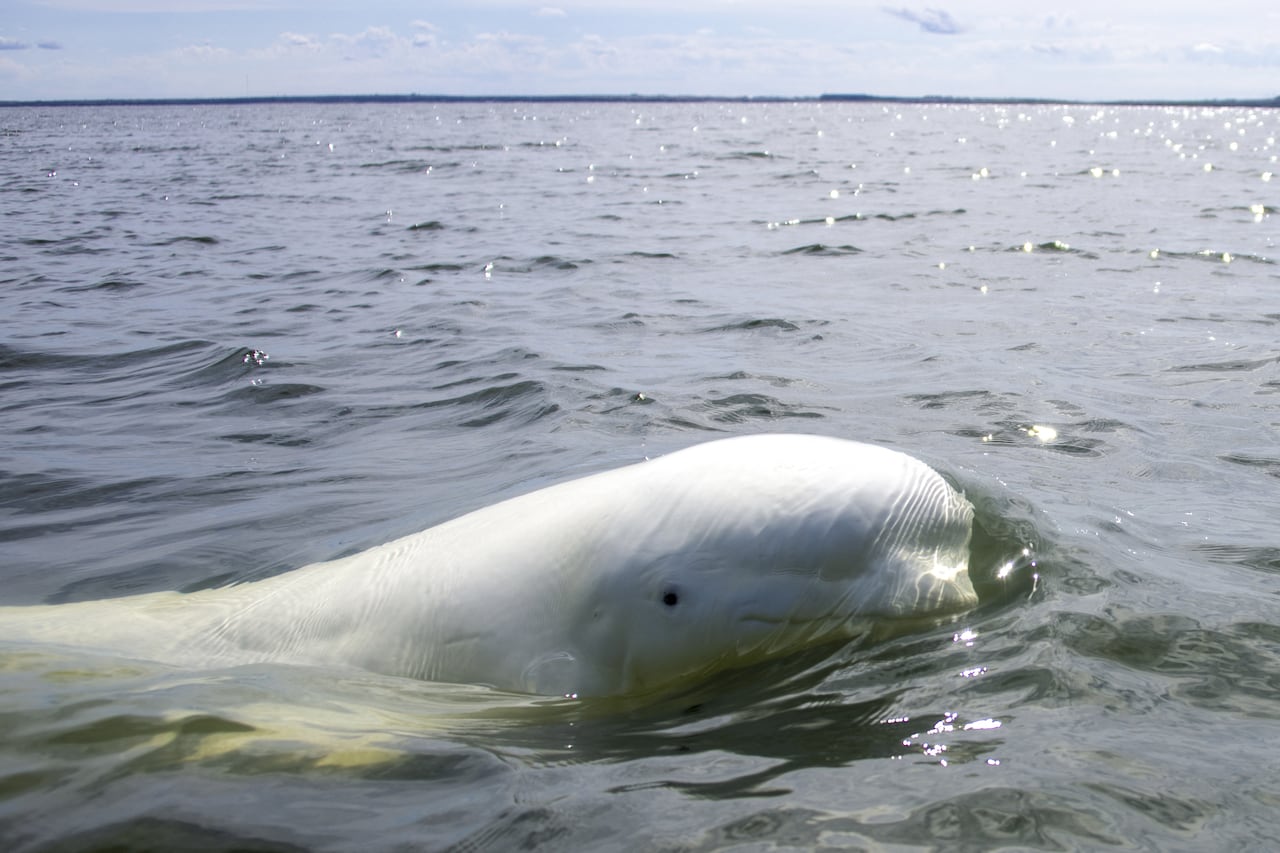
A beluga whale surfaces in Hudson Bay outside Churchill, Manitoba, in August 2022. Several beluga populations were among the marine mammals still awaiting a federal listing decision as of January 2025, years after their most recent COSEWIC assessments. (Olivier Morin/AFP/Getty Images)
Few answers for long waits
Thompson pointed out that the lack of clear or specific explanations made it challenging for researchers to ascertain why many species experienced delays.
“There certainly appears to be, at minimum, a lack of transparency regarding the situation,” he remarked.
Yewchuk further argued that the existing gap enables governments to sidestep making clear choices between conservation and competing economic interests.
“It alleviates the pressure on them to make difficult decisions regarding species conservation and allows them to simply let the matter fade away,” he noted.
Environment and Climate Change Canada acknowledged the gap highlighted in the study. “SARA does not stipulate a statutory timeline for the minister to submit a recommendation to the Governor in Council,” the department stated in a message to CBC News.
It noted that as of January 25, 2025, 76 terrestrial species assessed since 2017 had not met the government’s recommended timeline, and that certain cases necessitate additional time for input from the public, industry, and Indigenous communities.
Fisheries and Oceans Canada indicated that aquatic listings can be more intricate. “For aquatic species, listing can result in protections across all waters where the species is found, as these species fall under federal jurisdiction,” the department stated. Since the study’s January 2025 deadline, the Governor in Council has received assessments for 15 aquatic species, initiating the nine-month period for listing decisions. On Friday, the government proposed to add or reclassify all 15 under SARA.
Thompson emphasized that the underlying issue is the sluggish pace of the process.
“We need to enhance the efficiency of the system to ensure these species receive the necessary protections, or at the very least, reach a decision more promptly.”
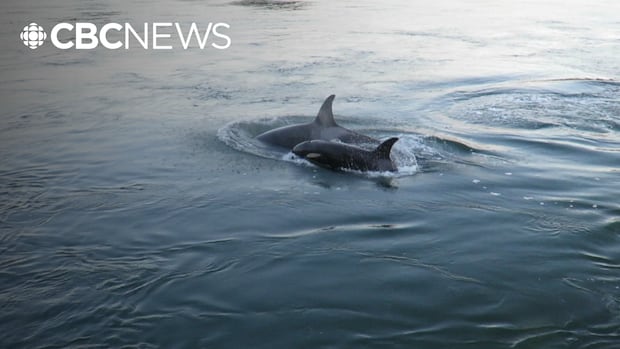
B.C. conservation groups claim that the federal government’s refusal to issue an emergency order for southern resident killer whales heightens the risk of extinction for the species. Multiple groups had requested this order last year. However, as reported by Michelle Morton, Fisheries and Oceans Canada stated that “incremental measures will be pursued” instead.