
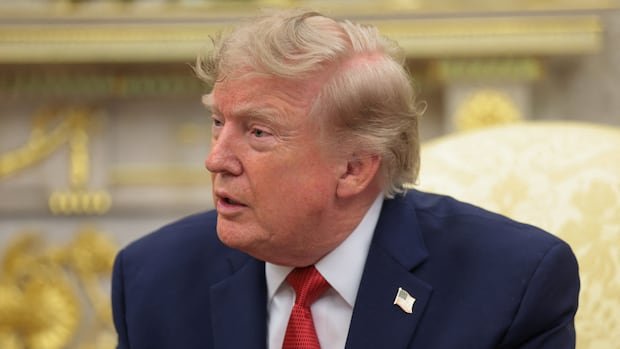

U.S. President Donald Trump has once again issued a warning to Oman as Iran discloses ongoing collaboration with the Gulf Arab nation regarding a strategy to oversee shipping activities in the Strait of Hormuz. Reopening the strait has been a significant demand from the United States.
As the 60-day negotiation period for a peace agreement between the U.S. and Iran neared its end, no extension was mentioned, and both parties seemed to remain at a distance on their stances.
The latest updates on Monday highlight Iran’s progress in finalizing a deal with Oman concerning the passage of ships through the Strait of Hormuz, a vital waterway connecting the two countries. Iranian Foreign Ministry spokesperson Esmail Baghaei confirmed that an arrangement has been made regarding the transit route map, focusing on ships entering near Iran and exiting near Oman without payment of fees during an interim period. This deal aligns with the U.S.’s precondition for opening the strait before lifting its blockade of Iranian ports.
In a previous incident, Trump reportedly threatened Oman during an interview with Fox News, indicating potential military action if the country interferes. This is not the first instance of such threats from Trump towards Oman. The U.S. President also remarked on the expiration of the negotiation deadline, emphasizing the existence of a back channel for talks with the Islamic Revolutionary Guard Corps. United Nations Secretary-General António Guterres urged both Iran and the U.S. to resume peace talks, emphasizing the importance of dialogue over military solutions and the need to reduce escalating rhetoric.
Separately, Yemen’s Houthi rebels claimed responsibility for attacks on a ship and military boats in the Red Sea, near the Bab el-Mandab Strait. The rebels alleged launching ballistic missiles at vessels they claimed belonged to Saudi Arabia, resulting in the destruction of the boats. Additionally, drone attacks targeted Iraqi officials in northern Iraq, with no casualties reported. The incidents reflect the ongoing tensions in the region amid the conflict involving the U.S. and Israel against Iran.
As the situation unfolds, it is essential to monitor the developments closely to assess the impact on regional stability and security.