
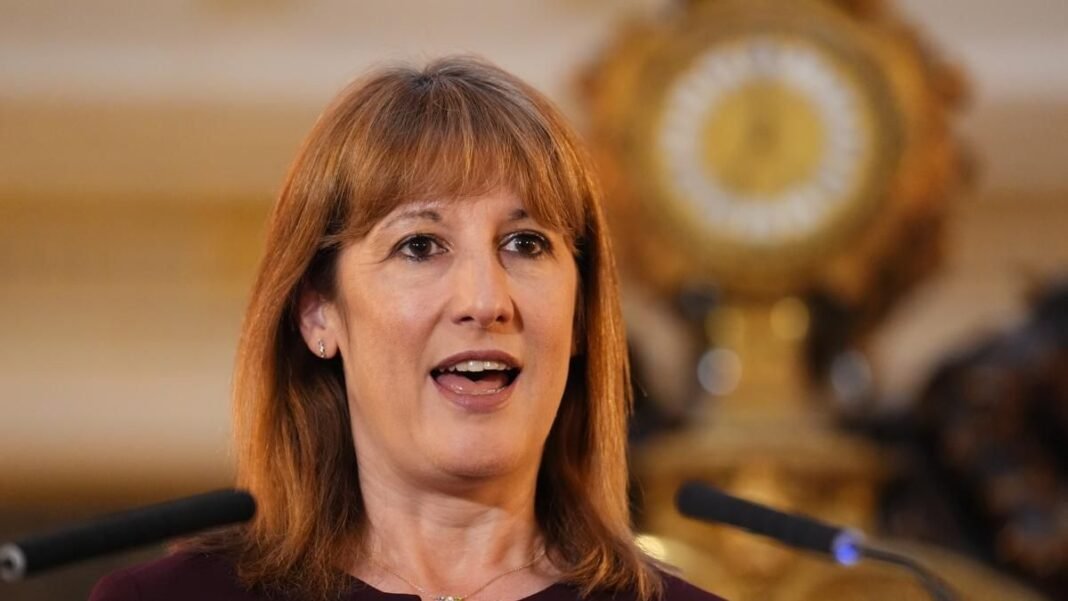

Rachel Reeves has decided against implementing a significant increase in income tax as part of the Budget plan. This change in direction is attributed to improved economic forecasts that have lessened the financial shortfall, enabling the Chancellor to abandon the proposed tax hike.
Previously, Ms. Reeves had been indicating a potential rise in income tax rates on November 26 and had hinted at the possibility of resorting to spending cuts instead. Despite efforts by ministers to sway MPs in support of the move, which contradicted Labour’s commitment to shield working individuals from tax hikes, the decision was ultimately reversed.
The Office for Budget Responsibility conveyed to the Treasury that the public finance gap is closer to £20 billion rather than the previously estimated range of £30-40 billion. This more optimistic outlook is driven by robust tax receipts, including higher wages leading to increased tax payments, as well as a less severe productivity downgrade than anticipated.
While initial speculation triggered market concerns about a policy shift by the Chancellor, a Government source emphasized the importance of transparency in addressing the economic challenges and exploring all available options. The source clarified that the Chancellor had no intention of breaking the manifesto pledge and would avoid doing so if not necessary.
However, the source cautioned that tough decisions still lie ahead, with taxation remaining a viable consideration. Ms. Reeves is confronted with the task of balancing the budget and is anticipated to incorporate a buffer of around £15 billion to safeguard against potential economic uncertainties.
One potential strategy under consideration is extending the freeze on income tax thresholds for an additional two years beyond the original 2028 deadline. This maneuver, often criticized as a stealth tax, would result in more individuals falling into higher tax brackets as their incomes increase.
Another proposal involves adjusting income tax thresholds while maintaining the current headline rates. Health Secretary Wes Streeting welcomed the decision to uphold Labour’s manifesto commitment, emphasizing the importance of rebuilding trust in politics amidst low public confidence.
Despite concerns raised by economists over policy reversals and potential impacts on economic growth, the Treasury spokesperson reiterated a commitment to delivering a Budget focused on fair choices to strengthen Britain’s future.