
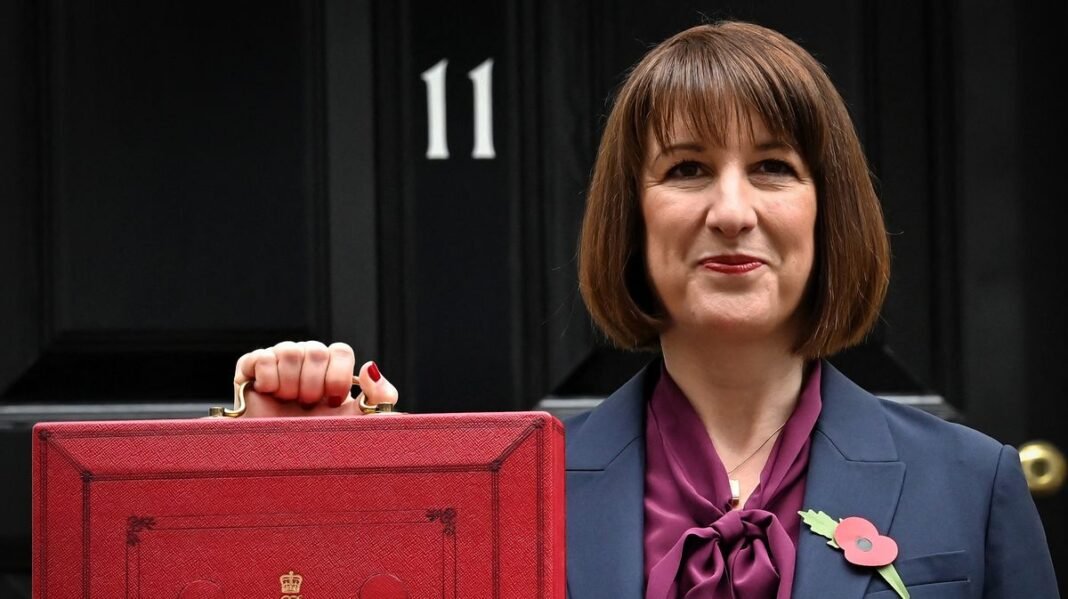

Chancellor Rachel Reeves has decided not to go against Labour’s manifesto promise by raising income tax rates in her upcoming Budget, a move that experts estimate could potentially generate £9 billion for the Treasury. Speculation suggests that this decision may have been influenced by a more positive economic outlook, with the Office for Budget Responsibility forecasting a smaller deficit in public finances than previously anticipated.
One proposed option to increase revenue involves lowering the income tax thresholds, such as reducing the higher rate threshold from £50,270 to £46,000 by 2029/30, a measure that could potentially raise £9 billion. This approach could impact around 30% of workers, including those in the public sector, while still protecting many lower earners.
An alternative suggestion from experts at Pantheon Macroeconomics proposes decreasing all income tax thresholds by 10%, a move that could potentially raise £17 billion by 2028/29. However, this option may face political challenges and could contradict the original manifesto spirit, according to analysts.
Reports indicate that Reeves may be considering extending the freeze on personal tax thresholds and National Insurance for an additional two years starting in April 2028. This strategy could lead to a significant annual revenue increase by 2030, potentially amounting to £8.3 billion, as more individuals would be taxed at higher rates due to income growth.
The potential consequence of such a freeze is the likelihood that more people, including low-income pensioners, could be subject to income tax in the coming years. The Institute for Fiscal Studies highlights that if the freeze continues, even those on minimum wage may find themselves liable for income tax with fewer working hours than in previous years.
Matthew Oulton, a research economist at the IFS, emphasized that extending the freeze on tax thresholds could represent a substantial tax rise affecting various segments of the population. This strategy might enable the Chancellor to raise additional revenue and shift the tax burden across different income brackets effectively.